Ohio added 47 new measles cases in a single week, more than four times the 11 reported the week before.
The Ohio Department of Health counted 180 confirmed cases across 15 counties as of Thursday, Sept. 17, up from 133 on Sept. 10. That 327% weekly spike marks the sharpest escalation of the state's 2026 outbreak, the Cincinnati Enquirer reported.
Wayne County in Northeast Ohio drove the surge, accounting for 34 of the 47 new cases. The county now leads the state with 43 confirmed infections.
The vast majority of Ohio's cases are among unvaccinated individuals, according to the Ohio Department of Health. Confirmed cases range in age from 15 months to 20 years old.
Children's Hospital exposure
The statewide numbers carry local weight. Two out-of-state visitors tested positive for measles after visiting Cincinnati Children's emergency department on Monday, Sept. 14. The Cincinnati Health Department identified two exposure windows: 5:40 p.m. to 7:48 p.m. that evening, and 11:15 p.m. Sept. 14 to 1:15 a.m. Tuesday, Sept. 15, WCPO reported.
No active measles cases have been reported in Cincinnati. The health department said in a Sept. 17 statement that both patients had returned to their home state.
Anyone who was in the emergency department during those windows and has not been contacted should call the Cincinnati Health Department at (513) 357-7462. People showing symptoms should call a medical provider before visiting any healthcare facility.
Local vaccination gaps
The exposure comes as Hamilton County's vaccine exemption rates climb. During the 2025-2026 school year, 3.5% of Hamilton County kindergartners had non-medical vaccine exemptions, up from 2.4% the year before and 1.5% in 2019-2020, according to Ohio Department of Health data reported by WVXU.
More than 25% of vaccine documentation from Hamilton County schools was missing last school year. Dr. Stephen Feagins, Hamilton County Public Health medical director, attributed the gap partly to large urban districts like Cincinnati Public Schools focusing on attendance over tracking medical records.
"You could walk into a room two hours after someone with measles had left and be unvaccinated and get measles," Feagins said in the August WVXU report. "It's incredibly contagious and incredibly vaccine-preventable … Two doses provide lifelong immunity."
Ohio's overall MMR (measles, mumps and rubella) vaccine coverage rate for children and adolescents was 91.5% in 2023, the most recent year available. That falls below the 95% threshold needed for herd immunity.
Beyond Cincinnati
Tuscarawas County announced Wednesday, Sept. 16, its 13th confirmed case. It was the first in the current outbreak involving a fully vaccinated person. Health Commissioner Katie Seward told the Enquirer that breakthrough infections can occur "particularly in areas where measles transmission is widespread, as we are currently experiencing in Ohio." She said the patient was experiencing mild symptoms and recovering at home.
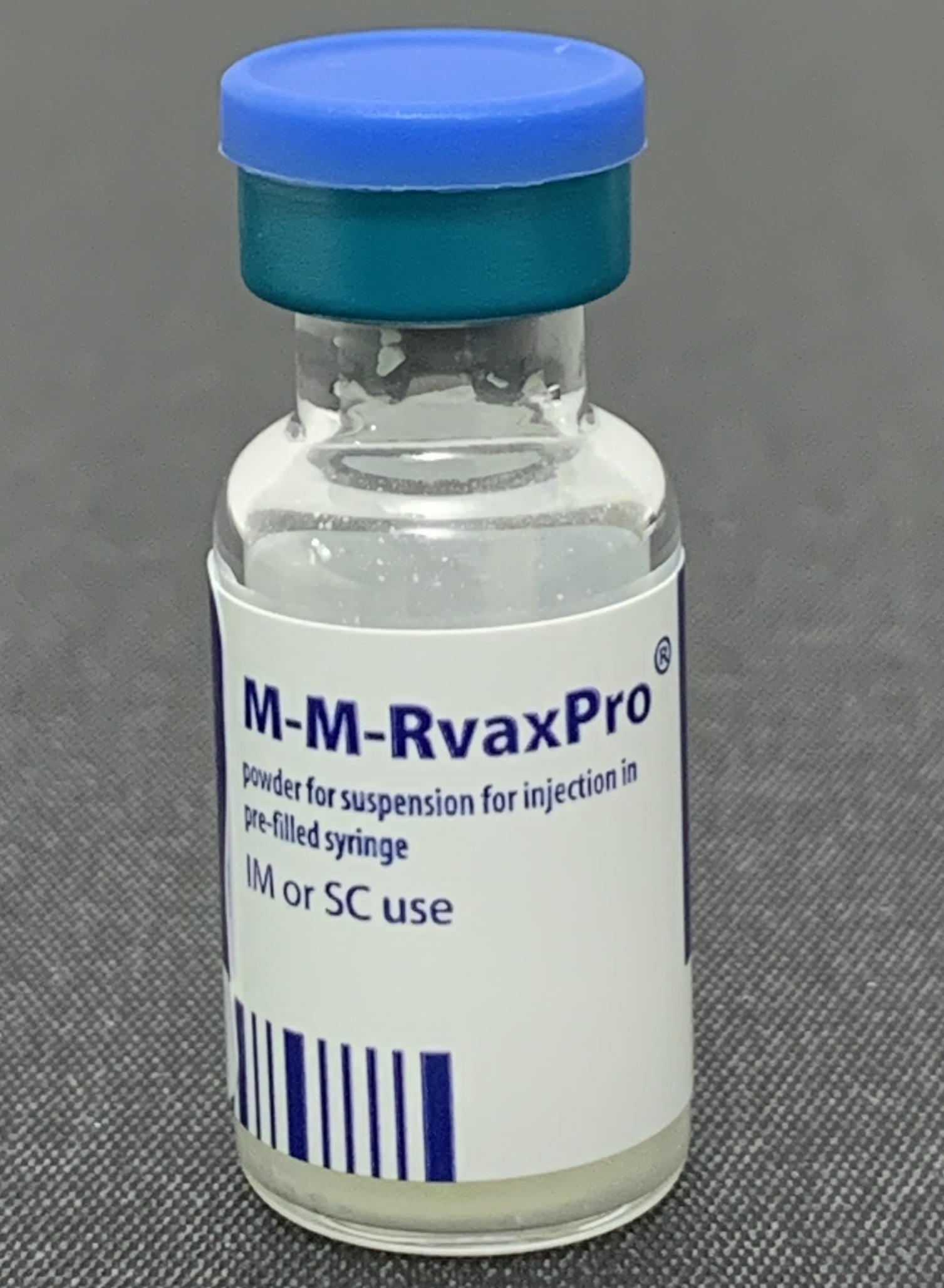
Two doses of the MMR vaccine are approximately 97% effective at preventing measles, according to the Ohio Department of Health.
Nationally, measles cases have hit a 35-year high. Johns Hopkins University data released Friday, Sept. 11, showed 3,387 cases reported in 2026, surpassing the 2,286 infections recorded during all of 2025.
Hamilton County Public Health, the Cincinnati Health Department and the Northern Kentucky Health Department issued a joint advisory Tuesday, Sept. 15, urging Greater Cincinnati residents to get vaccinated. Families can check their children's vaccination status through their pediatrician or by calling Hamilton County Public Health.