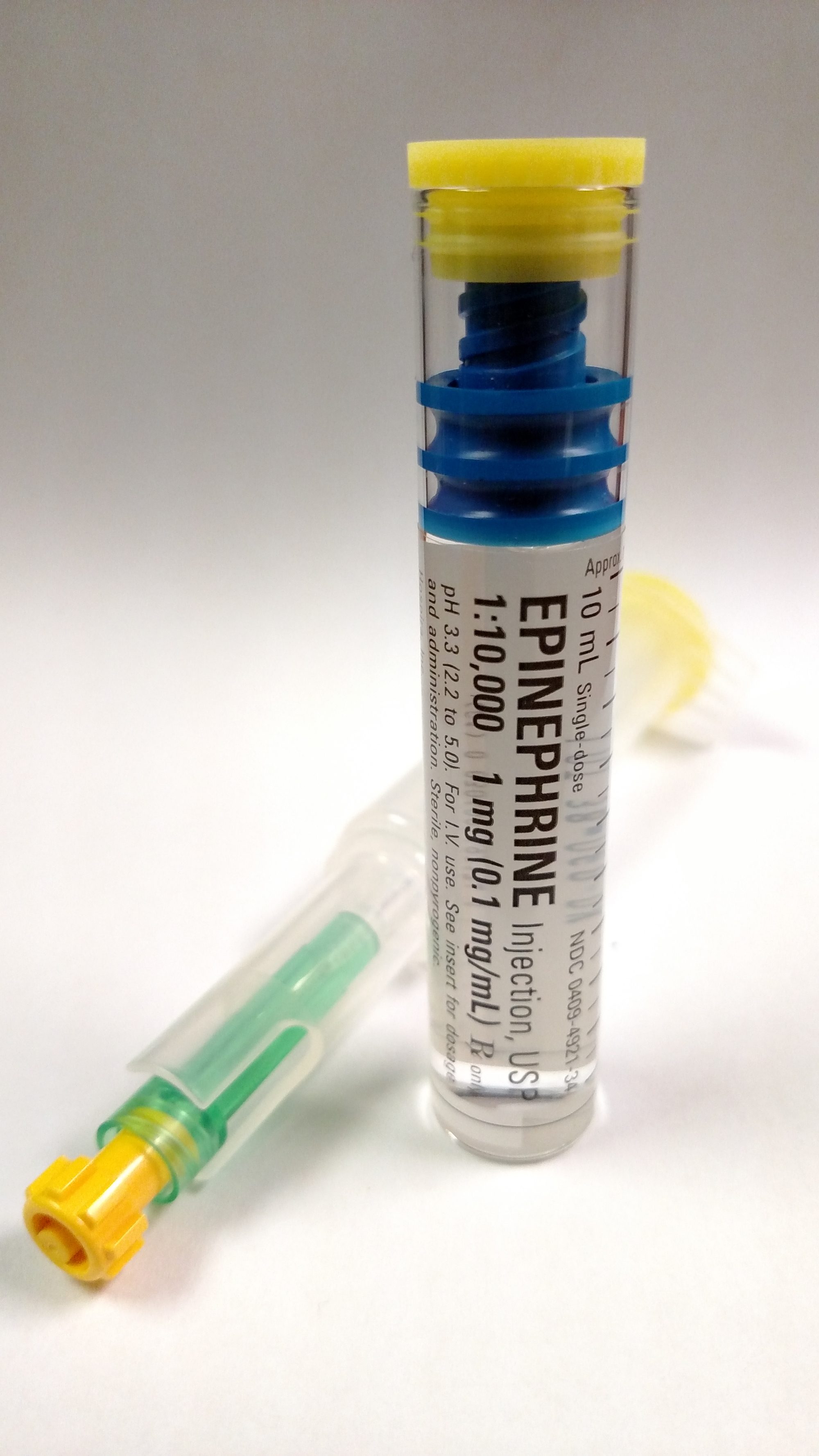
Students at Kilgour Elementary, Clark Montessori, Withrow University High School and other Ohio schools can now carry needle-free epinephrine nasal sprays to treat severe allergic reactions.
Gov. Mike DeWine signed House Bill 462 into law in September, expanding the state's allergy-response rules beyond EpiPens. The law allows schools and camps to stock and use any FDA-approved epinephrine device, including nasal sprays, the Cincinnati Enquirer reported.
The change matters for east-side families: the CDC's 2024 National Health Interview Survey found that 5.3% of U.S. children under 18 have a diagnosed food allergy. That translates to roughly one in 19 school-aged children.
What changed
Ohio Revised Code Section 3313.718 previously allowed students to self-carry and schools to stock only "epinephrine auto-injectors." That language inadvertently excluded needle-free nasal sprays like Neffy, the first such product approved by the FDA in August 2024, according to Hoodline.
HB 462 updates the statutory term to "epinephrine delivery systems." The bill passed the Ohio House in November 2025 and received unanimous approval from both chambers before DeWine signed it.
Students with a prescription and parental permission can carry and use approved devices at school and school-sponsored events. Schools and camps may also keep supplies on hand for emergencies involving students, staff or visitors.
Who is covered
The law applies to public and private schools, charter schools, STEM schools, college-preparatory boarding schools, residential camps and child day camps. That includes Cincinnati Public Schools buildings and area private and parochial schools such as Purcell Marian and Cincinnati Country Day.
Civil liability protections already in place for staff and healthcare providers who administer epinephrine in good faith now extend to the newer devices.
How it affects students
Traditional auto-injectors account for roughly 3,500 accidental needle-stick injuries each year among caregivers and children, according to ARS Pharmaceuticals, Neffy's manufacturer. Needle-free alternatives remove that risk.
The FDA expanded Neffy's approval in March 2025 to cover children weighing between 15 and 30 kilograms, enabling kids as young as four to use the device. A two-pack costs as little as $25 through co-pay programs for insured patients. Uninsured patients face a cash price of $199.
Research by Food Allergy Research & Education found that 20% to 25% of epinephrine administrations in schools involve people with no prior allergy diagnosis. Stocking devices at school buildings could help in those first-time emergencies.
State Rep. Tracy Richardson, a Marysville Republican who sponsored the bill, said it grew from a conversation with a constituent. "This bill is the result of a local nurse and parent making me aware of the need for a change," Richardson said in a Sept. 15 statement. "With the help of members of the legislature, we were able to get this bill into law in time for the new school year ensuring that students with allergies will have the ability to carry nasal epinephrine."
Cincinnati Public Schools has not announced specific implementation steps, such as whether individual buildings will stock nasal-spray devices or update student health plans. Families with questions can contact their school nurse or the district's health services office.