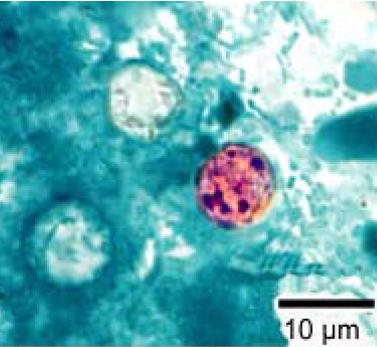
Hamilton County has logged 60 cases of cyclosporiasis, a parasitic gut illness, as a nationwide outbreak tied to recalled iceberg lettuce continues to spread.
Five of those cases were new in the most recent reporting week, according to Ohio Department of Health (ODH) data reported by the Cincinnati Enquirer on Sept. 3. Statewide, ODH counted 6,342 cases across 84 counties. All but nine occurred since June 20.
The U.S. Centers for Disease Control and Prevention (CDC) has confirmed 18,445 laboratory-confirmed cases across 49 states and Washington, D.C., between May 1 and Aug. 31. Ohio and Michigan are the two hardest-hit states. Michigan reported 14,510 cases as of Aug. 27, including the first two deaths in the nationwide outbreak.
What caused the outbreak
The Food and Drug Administration (FDA) traced the largest identified cluster to recalled iceberg lettuce grown by Taylor Farms in central Mexico. Investigators first identified the link through traceback from Taco Bell. That cluster alone accounted for 10,930 cases and 454 hospitalizations across 17 states as of Aug. 20.
The CDC says one common source is unlikely to explain all the nationwide cases. Only the Taylor Farms lettuce has been identified so far.
Symptoms and testing
Cyclosporiasis is caused by the parasite Cyclospora cayetanensis. Symptoms begin about a week after infection and can last days to a month or longer without treatment. Diarrhea may go away and return.
Common symptoms include watery diarrhea, loss of appetite, weight loss, cramping, bloating, nausea and fatigue. Less common symptoms include vomiting, body aches, headache and low-grade fever.
The CDC advises residents to follow safe food-handling practices, stay current on food safety alerts and avoid eating recalled food.
The illness is diagnosed through stool testing. Most U.S. labs do not routinely screen for Cyclospora, so the CDC recommends patients ask their healthcare provider to request the test specifically.