Hyde Park and Oakley homeowners face a $245-per-$100,000 question before November 3: What, exactly, will a new Cincinnati Public Schools property tax levy buy for their children's schools?
The CPS Board of Education voted August 3, to scrap a 0.75% earned income tax from the November ballot and replace it with a five-year, 7-mill property tax levy. The measure would generate approximately $66 million annually, with collections starting in January 2027 if voters approve it on Election Day, November 3.
But parent advocates say the board still hasn't answered the most basic question: where the money goes.
"If we're asking for more money, then we need to first be very transparent, be accountable of the funding that we do have now, make us and help us understand where it's going," Terana Boyd, a CPS parent, told WCPO after the August 3 meeting.
Boyd is part of a group of east-side parent leaders pressing the district for a school-by-school spending plan before asking voters to open their wallets. Christian Davis, founder of the Cincinnati Parent Empowerment Network, and Ashley Harp-Dillion, a CPS parent, have raised the same demand. The advocacy group We Excel Cincy is also urging community members to get involved ahead of the election.
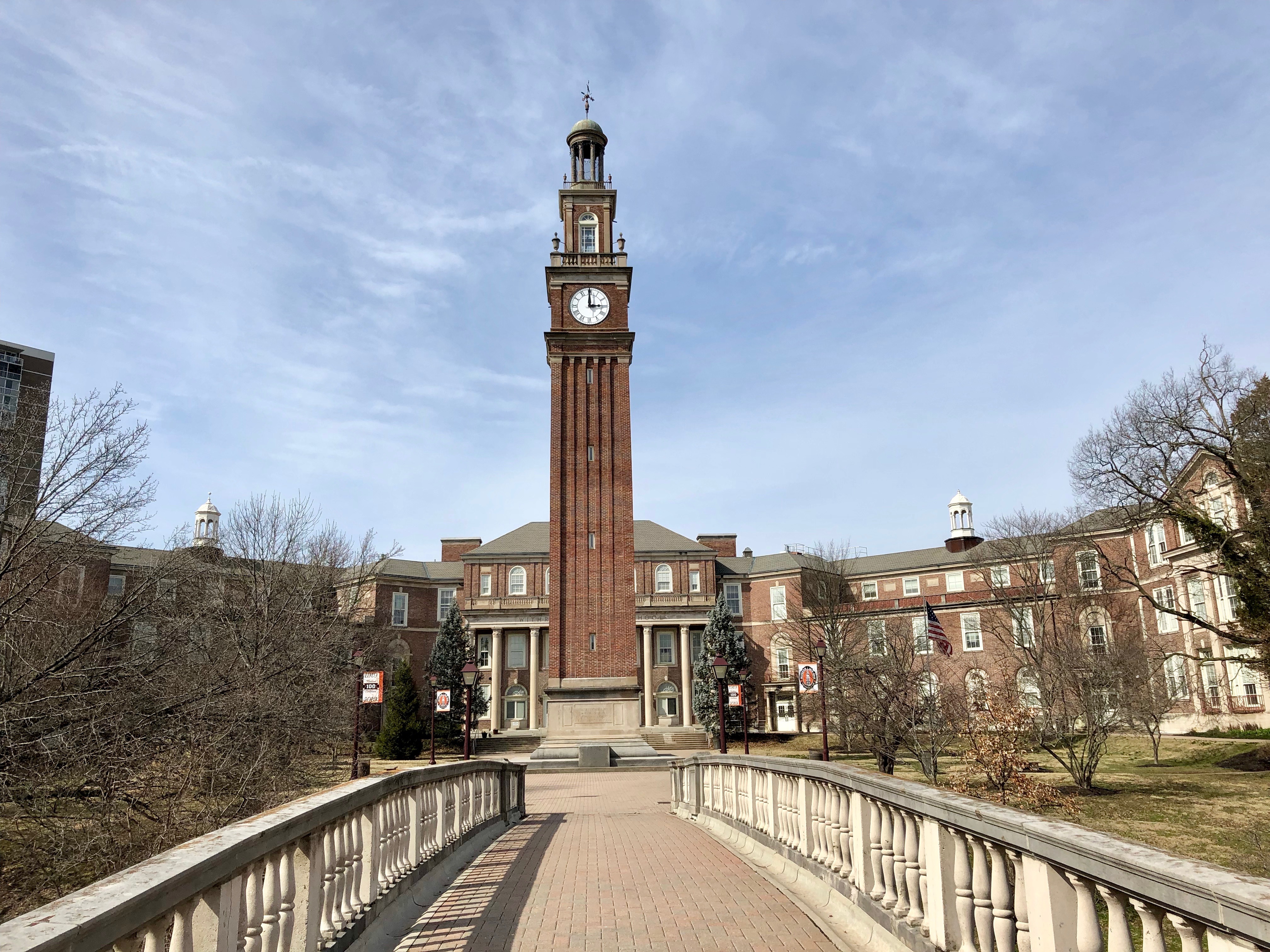
The district's official levy announcement lists broad categories the money would sustain: Montessori programs, arts, athletics, enrichment, and transportation. It does not break spending down by school. That means families at Kilgour Elementary, Clark Montessori, and Withrow University High School have no way to see how levy dollars would flow to their buildings.
The accountability gap isn't new
As we reported July 29, parents raised the same transparency demand when the board approved the original income tax levy on July 27. Board Vice President Kareem Moncree-Moffett acknowledged the problem that night, saying the district had not provided a "sufficiently specific measurable plan" for how levy proceeds would be allocated.
One week later, the board reversed course entirely. The gap remains.
Davis told WCPO on July 31 that it would boil down to whether the district could gain community confidence in fewer than 100 days before the election.
What east-side homeowners would pay
For a home valued at $200,000, the levy would cost roughly $490 per year. A $300,000 home would owe about $735 annually, according to figures WLWT reported based on the district's $245-per-$100,000 formula.
Why the board says it's urgent
CPS hasn't passed a new general operating levy since 2008. This past spring, the district closed a $58 million budget gap by cutting 111 positions, including 10 assistant principals, 12 social workers, and eight counselors, and imposing five unpaid furlough days on teachers and counselors.
Board President Brandon Craig warned at the August 3 meeting that deeper cuts are coming without new revenue and that next year's reductions would be worse if the levy fails.
The board voted 6-1 to rescind the income tax, with member Kendra Mapp dissenting. On the property tax, the vote was 5-1-1: Mapp opposed, Moncree-Moffett abstained. The reversal came after both the Hamilton County Republican and Democratic parties opposed the income tax proposal.
What parents want next
Harp-Dillion said the type of tax matters less than the plan behind it. The burden falls on working- and middle-class families either way, she said, and the solution is giving parents a pathway they can buy into.
Voters decide November 3. No date has been announced for a public presentation of a detailed spending plan.