Cincinnati residents' satisfaction with quality of life fell from 65% to 48%, a 17-point drop from 2023. The city is rolling out a response plan that includes more street resurfacing, fuller code enforcement staffing and expanded public alerts.
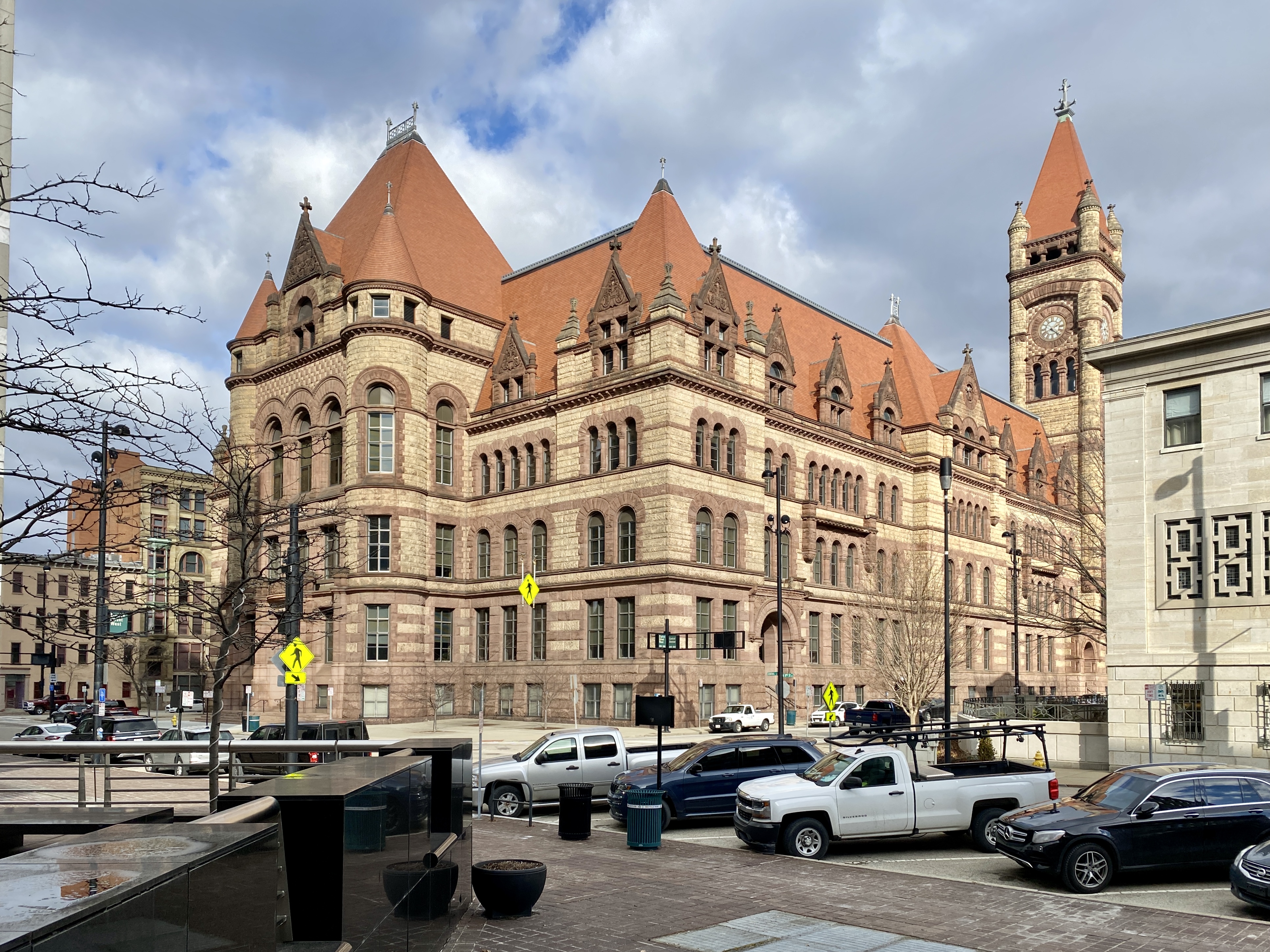
City Manager Sheryl Long outlined the findings and planned fixes in a Sept. 10 memo to Mayor and City Council, first reported by WCPO. The memo builds on the 2025 Community Perceptions Survey of more than 1,200 randomly selected residents, whose results were presented to Council on March 16.
Hyde Park came up repeatedly in the follow-up, though not in the way east-side residents might expect. West Side focus-group participants named Hyde Park as their reference point for what neighborhood investment looks like, drawing direct comparisons to conditions in their own communities.
"In Hyde Park, you would never see the roads looking like ours," one West Side participant said, according to the city's memo.
The city conducted four focus groups with 41 residents across all six survey zones. The focus-group report, authored by Nia Baucke and Rachel Cranmer of the Cincinnati Innovation Team, identified visible environmental conditions as the "single most consistent driver" of how residents feel about the city. Potholes, broken sidewalks, litter and vacant properties topped the list.
Satisfaction with the city's overall image also fell, dropping from 65% to 42%. Safety satisfaction citywide hit 32%, down from 40% two years earlier. When asked about safety in their own neighborhoods, though, 50% of residents said they were satisfied.
The dissatisfaction was not concentrated in one demographic group. Declines were broadly distributed.
Geography mattered.
Survey Zone 1, covering East Price Hill, West Price Hill and several other West Side neighborhoods, scored 10 to 20 percentage points lower than other zones across priority service areas.
Reckless driving surfaced in every focus-group session. Participants described red-light running, aggressive driving near pedestrians and cyclists, and a lack of meaningful traffic enforcement.
Some residents reported stepping in where they felt city services fell short. Participants described purchasing neighborhood trash cans, cleaning up litter and hauling away debris on their own.
The city's response
Long's memo says the findings are already shaping the fiscal year 2027 budget. Among the planned actions:
- A 20% increase in lane miles resurfaced, with investment in better pothole-repair materials and detection technology
- Streamlined paving processes so roads are addressed alongside active construction projects
- More frequent police recruit classes, an expanded drone program and alternative response models including 311 Community Responders and the Alternative Response to Crisis (ARC) program
- An Inspector Academy pipeline expected to bring code enforcement to full staffing with its next graduating class
- Expanded CincyAlerts with additional alert types and a new monthly public newsletter
Residents praised one area of improvement: snow removal. Participants credited GPS-based truck coordination, better preparation and stronger communication for the gains.
The city plans to administer the Community Perceptions Survey again in fall 2026 to measure whether the response is working. Residents can sign up for CincyAlerts at cincinnati-oh.gov/ecc/alerts.