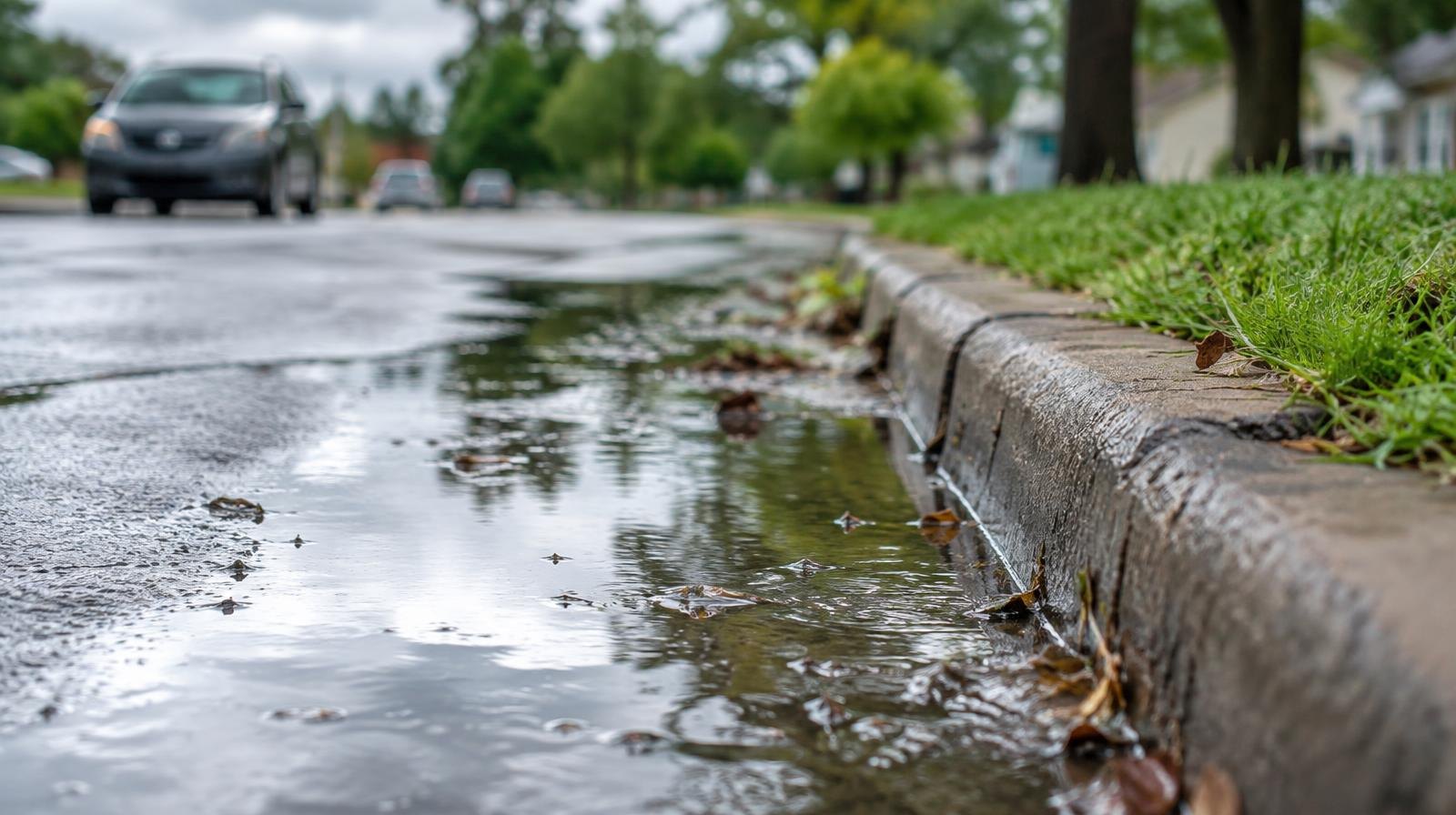
Cincinnati’s supplemental flood relief program had paid $773,200 to residents and small businesses affected by July’s flooding, with total program expenditures expected to exceed $1.3 million, officials told a City Council committee Tuesday, Oct. 13.
Representatives of the agencies handling the response discussed relief payments and plans to reorganize stormwater management at the Climate, City Services & Infrastructure Committee meeting.
Roy Hackworth, division manager for the Department of Opportunity and Resident Services (DORS), told the committee that 970 applications came in from residents and small businesses. Of those, 835 were approved, according to Signal Cincinnati's coverage of the meeting. About 160 applicants still need to provide or verify additional information, Hackworth said, though the formal application period has ended.
The most impacted neighborhoods were Oakley, Hyde Park, Pleasant Ridge, Madisonville and Kennedy Heights, Hackworth said.
The Supplemental Emergency Flood Relief Program, led by DORS, disbursed the funds to cover storm and flood-related damages. City Council had approved a total of $2 million for the relief fund in August, as WCPO reported.
Reese Johnson, deputy director and chief engineer of the Metropolitan Sewer District (MSD), described the July storms as intense. Five inches of rain fell within three hours. Johnson said the agencies were working to address residents’ damage claims related to the July 17 and July 21 storms.
Council Member Ryan James, the committee's co-chair, questioned the screening process for denied applications. Hackworth said DORS responded to names on MSD's list as information came in and that a hotline was also available. The department verified damages through photos and documentation submitted by residents.
James also said he was critical of flood relief being handed to DORS, a new city department. He said he does not want DORS to become a crisis response team.
When Council doubled the relief fund to $2 million in August, James signaled the city might need to do more. "The loss from our residents is tremendous," he said at the time, according to WCPO. "My expectation is that we may need a more sufficient response."
New stormwater agency taking shape
Beyond the relief numbers, the committee heard about a structural change: the Stormwater Management Utility (SMU) is becoming a standalone city agency, separate from Greater Cincinnati Water Works.
City Council voted unanimously on Sept. 30 to approve Mayor Aftab Pureval's motion directing the change by Jan. 1, 2027, as WVXU reported. The new agency will report to the city manager and take responsibility for stormwater infrastructure, flood protection and resilience planning.
Jason Fleming, interim SMU director, is heading the transition. Fleming told WVXU that Jan. 1 is the target for establishing the department, but the full overhaul will take several years.
SMU currently manages more than 300 miles of storm sewers, roughly 30,500 inlet structures and four pump stations. It brings in about $31 million a year through a drainage service charge paid by property owners, according to city budget documents. That money sits in a restricted fund and can only be spent on stormwater management.
The city's current budget also includes $115,000 to study a possible stormwater rate increase to fund drainage improvements.
MSD, meanwhile, has completed two studies evaluating sewer backups and flooded manholes in Hyde Park. One examined a stormwater tunnel more than two miles long, with costs running into the hundreds of millions, according to the Hyde Park Neighborhood Council. The second looked at detention and green infrastructure options on public and private property.