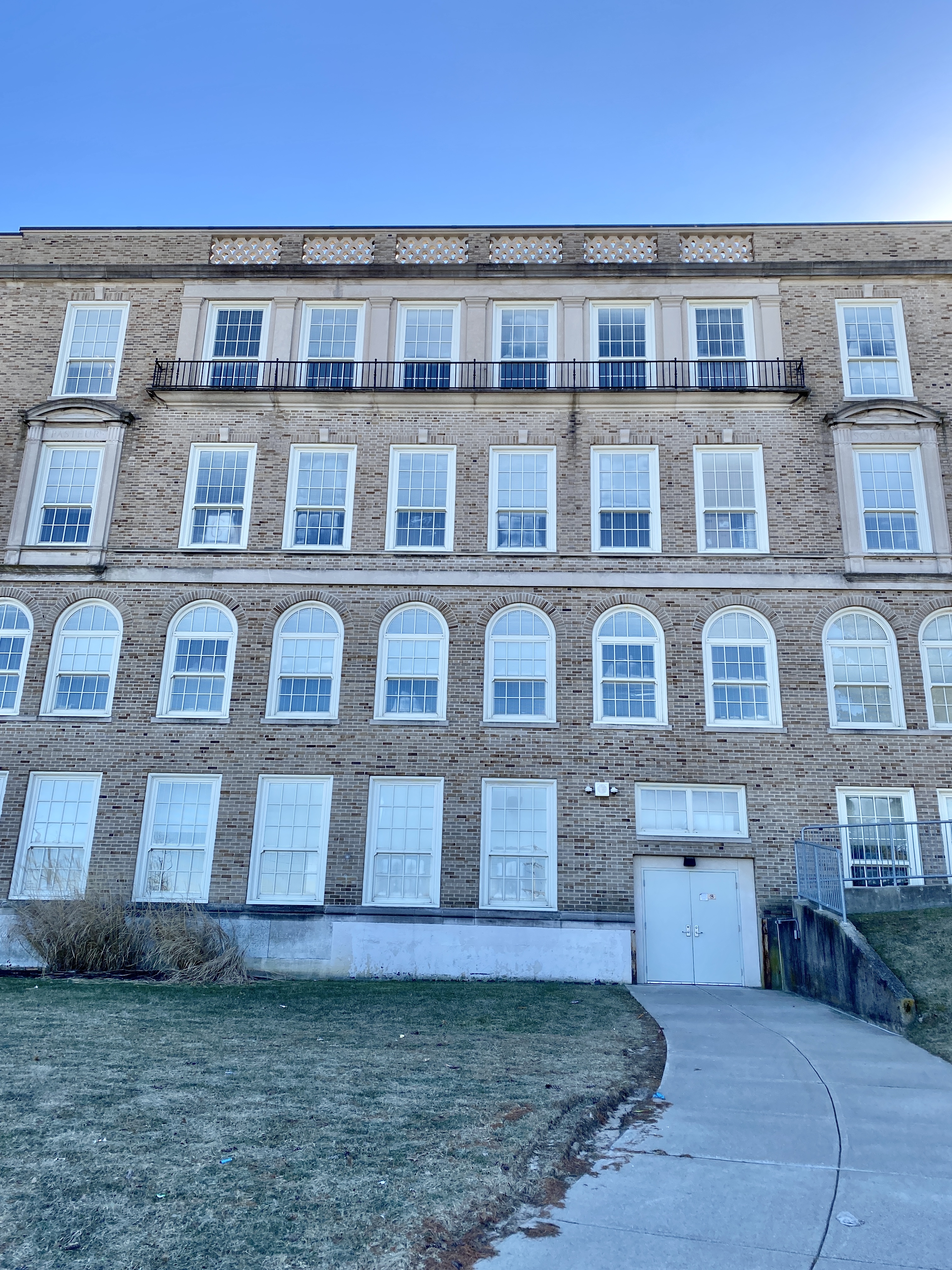
Six Cincinnati Public Schools buildings could face closure, charter conversion or state takeover under a proposed federal waiver that would give Ohio sweeping new power over its lowest-performing schools.
The state has asked the Trump administration for permission to intervene in 117 chronically underperforming schools statewide, the Cincinnati Enquirer reported Aug. 23. The six CPS schools on the list are Virtual High School, Western Hills University High School, Dr. O'dell Owens Center for Learning, John J. Gilligan Digital Academy, Mt. Washington School and Pleasant Hill Academy.
Two of those buildings have been on the state's underperformance list since 2018, according to the Ohio Department of Education and Workforce's CSI list updated May 1. Virtual High School and Western Hills University High School are among 34 Ohio schools flagged for eight or more years. Under the proposed waiver, schools on the list longer than three years face the most aggressive interventions.
The proposal outlines 16 possible actions. Schools would first see instructional materials replaced and undergo academic reviews. Those stuck on the list longer could be converted to charter schools, handed to third-party management or shut down entirely.
What it means for east-side families
None of the six CPS buildings are in Hyde Park, Oakley or Mount Lookout, but the waiver adds pressure to a district already facing a $58.6 million budget deficit. CPS cut more than 100 positions in June and is asking voters to approve a 7-mill, five-year property tax levy on the November ballot. Forced closures or conversions would reshape resources across the district, including schools that serve the east side.
Local officials push back
The waiver's intervention language closely mirrors provisions stripped from Ohio Senate Bill 127 after strong opposition from educators and school boards. Critics say the state is using a federal waiver to bypass the legislative process that killed those measures.
"When you take away the educator voice and local control of the school, I mean, it didn't go well," said Jeff Wensing, president of the Ohio Education Association, citing the state's failed takeovers of schools in Youngstown, Lorain and East Cleveland. "The state didn't go in there, and all of a sudden wave a magic wand and everything was hunky-dory."
The Ohio School Boards Association and the Ohio 8 Coalition, which includes Cincinnati's superintendent and teacher union president, both oppose the waiver. Jeff Talbert, co-chair of the coalition and superintendent of Canton City Schools, said the proposal "revives provisions from Senate Bill 127 that were removed after strong opposition" and risks "undermining public education and community control."
State Rep. Sean Patrick Brennan, D-Parma, wrote to the Ohio Department of Education and Workforce arguing that decisions about school closures and charter conversions should go through the legislature, not an administrative waiver.
Supporters say state must act
Not everyone opposes the plan.
Aaron Churchill, Ohio research director at the Thomas B. Fordham Foundation, a conservative education policy think tank that sponsors charter schools, argued that prolonged failure demands state action. "When you get into a failing school for the better part of a decade, it's pretty clear that local control has failed," Churchill said. "The state has an obligation to help the kids in that school."
Ohio's waiver states that what happens to any individual school will be "dependent on local context," but the state retains final authority. The department has already revised and softened some language after initial criticism, though educators say the changes don't go far enough.
The Trump administration has approved similar "Returning Education to the States" waivers for Indiana, Iowa and other states. Ohio is awaiting a federal decision, with no public timeline or comment period announced for families.