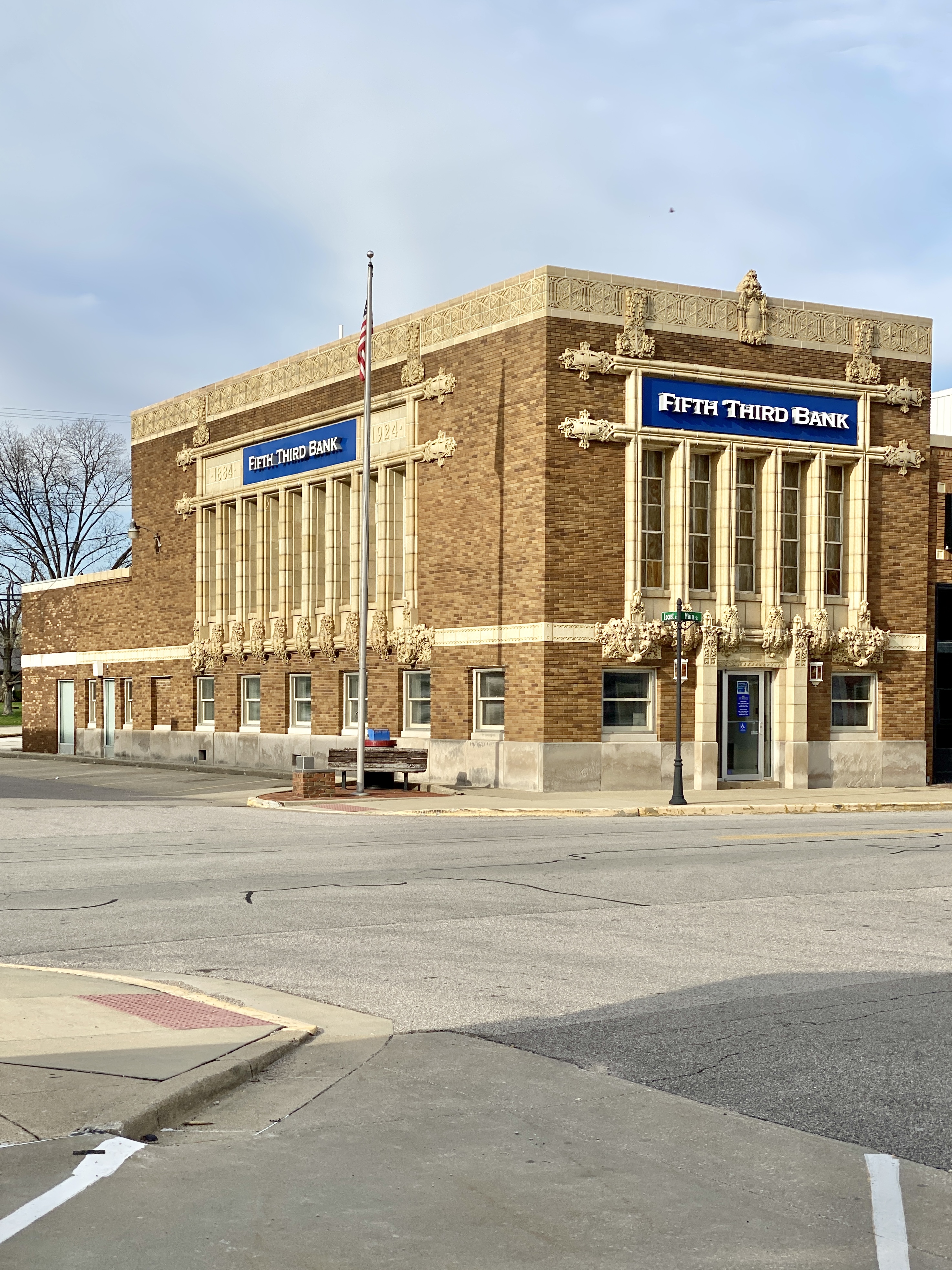
A scammer posing as a public defender convinced an 86-year-old Cincinnati woman with dementia that her grandson was in jail, then drove her to a Fifth Third Bank branch on Beechmont Avenue in Mount Washington, where she withdrew $10,000 in cash and handed it over.
The Beechmont Avenue branch sits in CPD District 2's patrol area, which also covers Hyde Park, Oakley and Mount Lookout. Cincinnati police are investigating the incident, which occurred in late July. No arrest has been made.
The victim's daughter, Margie Massie, told WLWT on Aug. 3, that her mother rarely withdrew more than $1,000 at a time. "What's more triggering than one of your grandchildren being in trouble," Massie said, explaining why the scam worked.
How the scam unfolded
The fraudster called the woman, claimed to be a public defender and said her grandson needed bail money immediately. He then picked her up at her home and drove her to the Beechmont Avenue branch. When the teller asked why she needed such a large sum, the woman said it was for a wedding gift. That was a lie the scammer had coached her to give.
Fifth Third Bank confirmed it is reviewing the case and has video footage of the transaction, including the vehicle involved.
Kris Edwards, head of fraud prevention at Fifth Third, told WLWT on Aug. 3 that scammers research targets through social media and use spoofed phone numbers to appear legitimate. The calls are highly customized, Edwards said, using the victim's city, municipality and actual bank name to sound credible. He added that these scams aren't tied to specific banks or locations and happen everywhere, driven by whatever personal information fraudsters can find online.
A growing national threat
Elder fraud is surging. The FBI's 2025 Internet Crime Complaint Center report found scams cost Americans 60 and older $7.748 billion that year, up 59% from 2024. Ohio losses alone hit $163.7 million, a 72% jump. The FTC reported that from 2020 to 2024, the number of older adults losing $10,000 or more to imposter scams increased more than fourfold.
How to protect vulnerable relatives
Fraud experts recommend:
- Question urgent money requests. Scammers rely on panic. Hang up and call the family member directly.
- Set withdrawal alerts. Ask your bank about notifications for large transactions on a relative's account.
- Talk to elderly family members about the scam before it happens. Knowing the playbook makes it harder to fall for.
Residents can report scams to the FTC at ReportFraud.ftc.gov, the FBI at ic3.gov or the DOJ Elder Fraud Hotline at 1-833-FRAUD-11. To report suspicious activity on a Fifth Third account, call 800-972-3030. CPD District 2 can be reached at 513-979-4400.