Hamilton County Public Health (HCPH) confirmed its first human West Nile virus case of 2026 on Sept. 17, with 35 virus-positive mosquito pools already detected across the county.
The Ohio Department of Health recorded those 35 positive pools in Hamilton County as of Oct. 1. Hyde Park, Oakley and Mount Lookout fall under the city of Cincinnati's health jurisdiction rather than HCPH's, but the countywide mosquito data covers the same geography east-side residents share.
The patient lives in the Symmes Township area and was admitted to a local medical facility, according to Local 12. HCPH began investigating the suspected case on Sept. 17 and later received confirmation the resident had contracted the virus, FOX19 reported.
West Nile virus was first detected in a Hamilton County mosquito sample in Green Township on Aug. 26, according to FOX19. HCPH also recorded one human case in 2025, Spectrum News 1 reported.
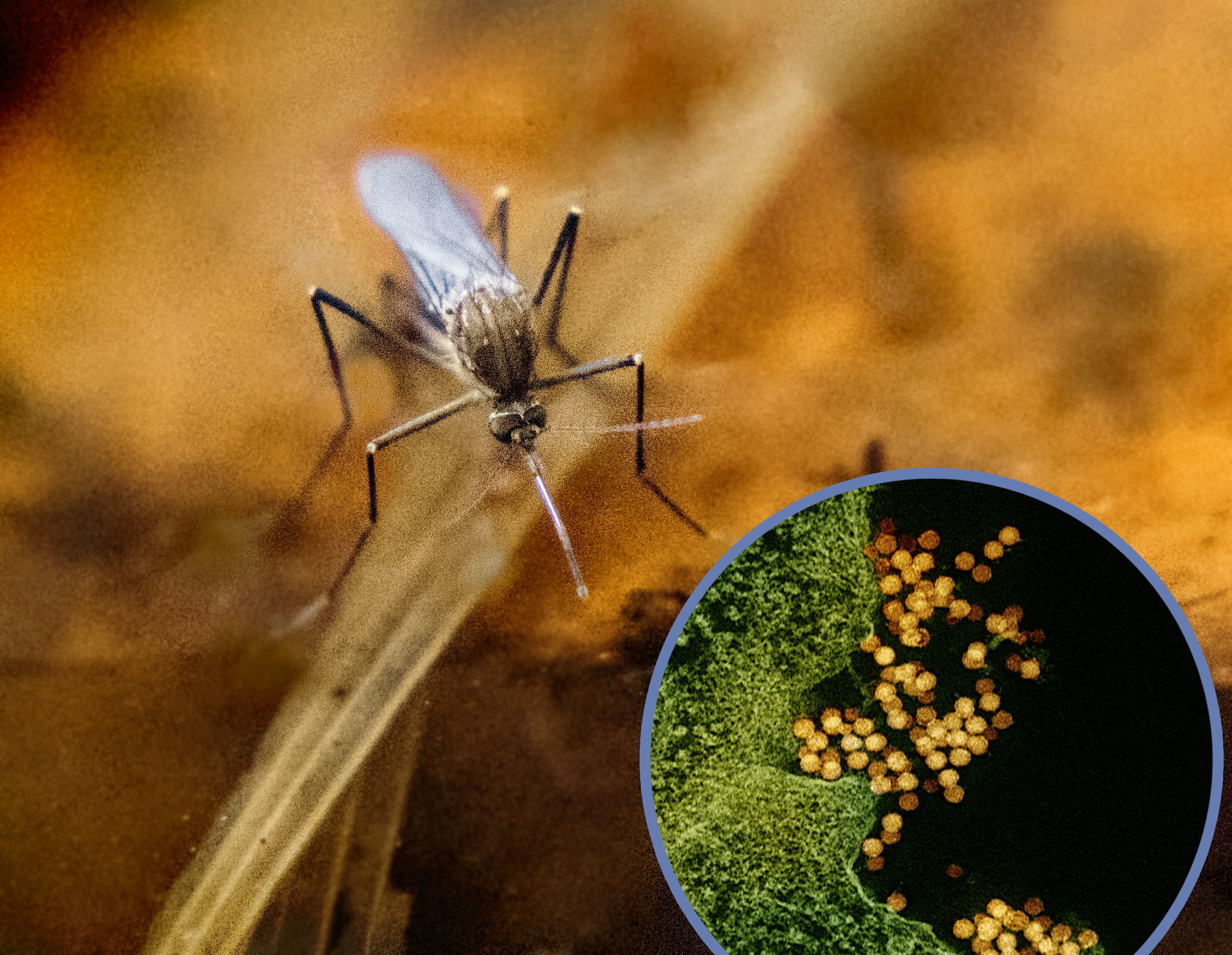
The virus is not contagious between people. West Nile virus spreads primarily through infected mosquito bites and does not spread through ordinary person-to-person contact. Rare transmission can occur through blood transfusions, organ transplants and from mother to baby.
Dr. Stephen Feagins, HCPH's medical director, said people who are immunocompromised "could experience severe illness affecting the brain and spinal cord." He urged residents to avoid mosquito bites and seek medical care if they develop symptoms.
Mild cases bring flu-like symptoms: fever, headaches, body aches, joint pain, vomiting, diarrhea or rash. Most people recover fully, though fatigue and weakness can linger for weeks or months. People who are elderly or have chronic medical conditions face higher risk of severe illness.
Statewide, Ohio had at least 16 confirmed human West Nile cases across 13 counties as of Oct. 1, according to the Ohio Department of Health. The state averages 47 human cases per year, Spectrum News 1 reported, citing ODH data.
HCPH says mosquito season in Ohio runs through October, roughly until the first frost. Environmental health specialists performed mosquito surveillance near the patient's home and treated standing water with larvicide after the case was identified.
HCPH urges residents to follow its "drain, dunk, protect" guidance:
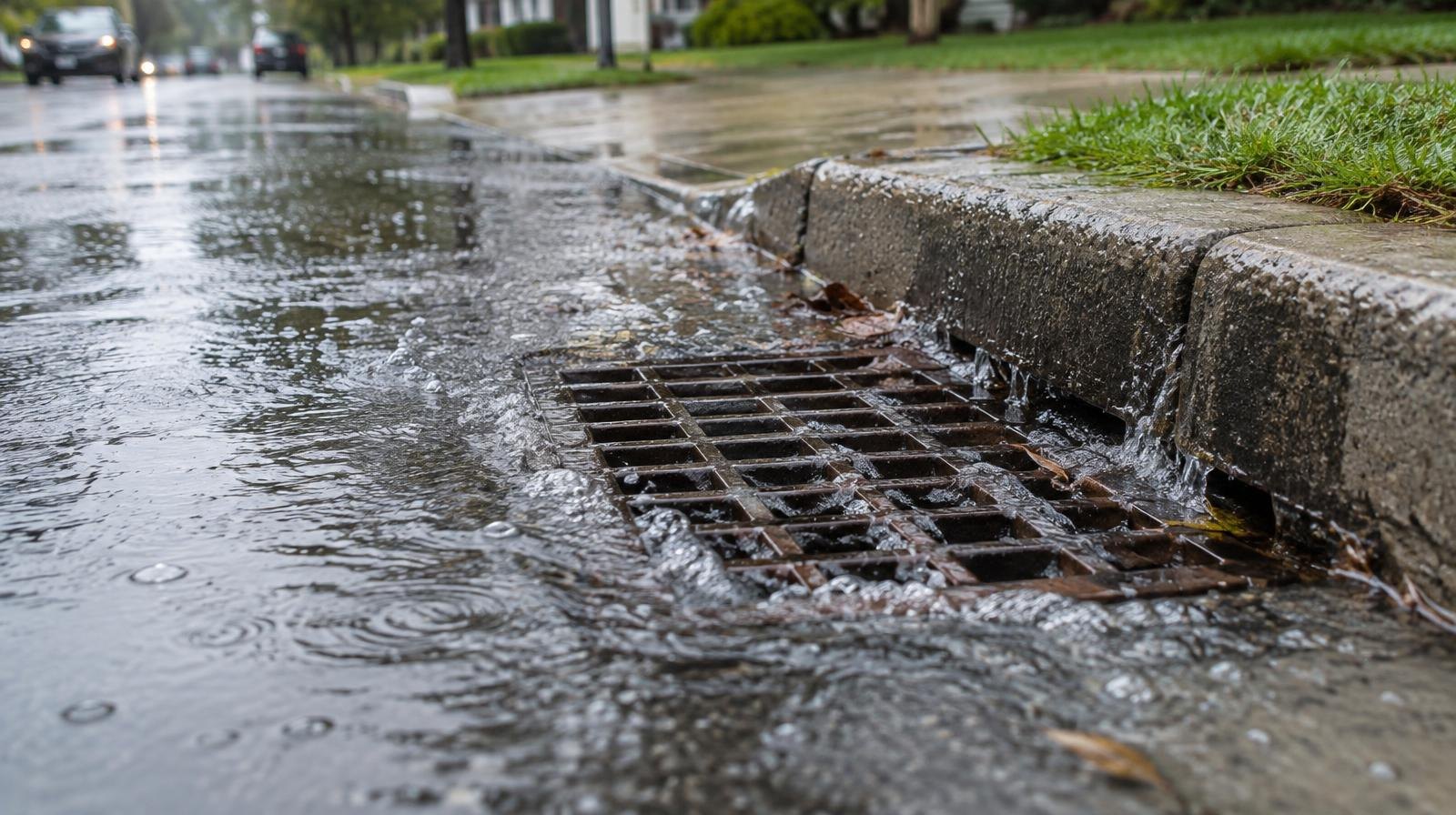
- Drain standing water from gutters, birdbaths, toys, tires and outdoor containers.
- Dunk larvicide tablets in standing water that cannot be drained.
- Protect by wearing loose, light-colored clothing and using EPA-registered insect repellent, especially at dawn and dusk.
Residents can reach Hamilton County Public Health at (513) 946-7800 or at hamiltoncountyhealth.org.