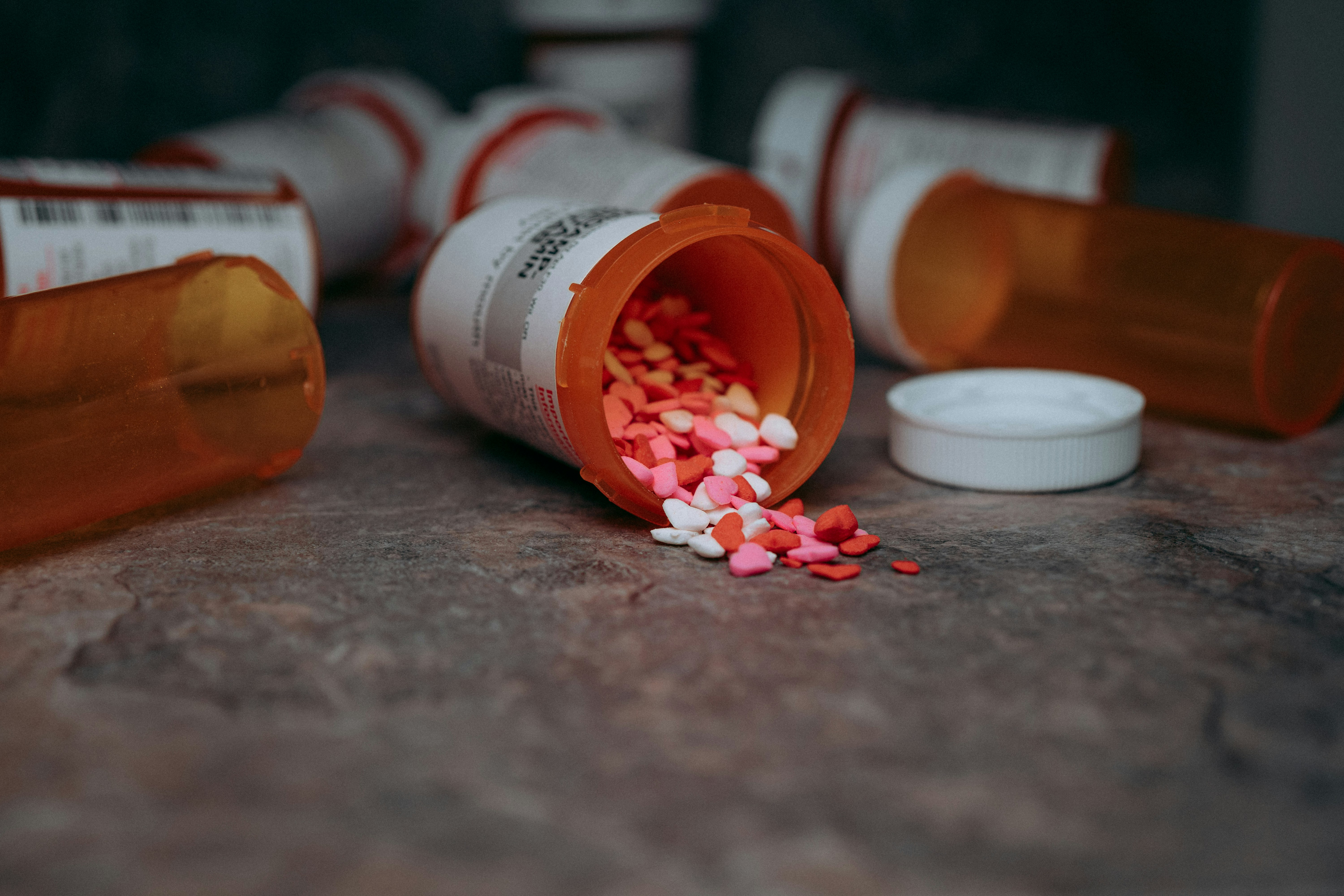
Hamilton County's overdose deaths fell from 570 in 2017 to 194 in 2025, and now delegates from more than seven countries have traveled to the Cincinnati region to study how a countywide coalition whose model includes Cincinnati Police District 2, covering Hyde Park, Oakley and Mount Lookout, helped drive one of the nation's sharpest declines.
The 66% reduction, confirmed in the Hamilton County Addiction Response Coalition's 2025 annual report, represents the lowest overdose death total the county has recorded since 2012. Deaths fell roughly 30% year over year, from 277 in 2024 to 194 in 2025, according to Local 12.
Leaders from Bulgaria, Romania, Poland, Germany, Kosovo and Scotland spent time with coalition experts in August, ending their trip with a cultural sendoff at Factory 52 in Norwood. The delegation included teachers, lawmakers, policy advisors and law enforcement officials. The World Affairs Council of Cincinnati and Northern Kentucky organized the visit in partnership with the U.S. Department of State.
What the coalition does
The Hamilton County Addiction Response Coalition formed around 2015 after members of the county's Police Chief Association approached county leaders. It started with about 12 members. Today it includes more than 1,100 members across 400 agencies, spanning law enforcement, doctors, elected officials, Quick Response Teams, judges and jail-based treatment providers.
The coalition operates on four pillars: prevention, treatment, interdiction and public health.
Its Quick Response Teams connect overdose survivors directly to treatment plans. Coalition member Tom Simon told WLWT in March that every dollar spent on a QRT yields $24 in savings on hospital runs and overdose-related costs.
The local connection
Cincinnati Police Department District 2, which covers Hyde Park, Oakley and Mount Lookout, is part of the broader network that feeds into the coalition's model. District 2 neighborhood liaison officers serve as the front-line connection between east-side residents and countywide response resources, according to CPD's contact list.
A new tool in that system is the $11.7 million Talbert House Hamilton County Crisis Center, a 47,000-square-foot facility at 510 Oak Street in Avondale. Cincinnati Police officers can now bring people in addiction crises directly to the center rather than cycling them through emergency rooms. The facility is expected to serve up to 1,500 people per year.
How it started
Newtown Police Chief Tom Synan, a coalition co-founder, said the effort grew from helplessness. He watched a mother and three of her sons die from overdoses one by one.
"This family dies. I feel helpless as a first responder, as a police officer. I didn't have resources necessarily to connect with," Synan told Local 12. "It was a family tragedy, a community tragedy, one that was being repeated over and over again."
In 2016, carfentanil hit Cincinnati streets. There were 174 overdoses in a single week and three deaths, making the region one of the first in the country to encounter the synthetic opioid.
What's still ahead
The progress hasn't eliminated the threat. Hamilton County's drug-checking program has detected xylazine and medetomidine in the local supply, both of which can cause serious health effects including death, CityBeat reported in March.
Hamilton County Commissioner Denise Driehaus, who chairs the coalition, acknowledged the tension at a March 25 press conference marking the county's lowest overdose death total since 2012: "When you call it success, it feels very guarded because we're still losing people in this community to addiction."
Residents who want to report drug activity or request resources can contact their District 2 neighborhood liaison officer through the Cincinnati Police Department.