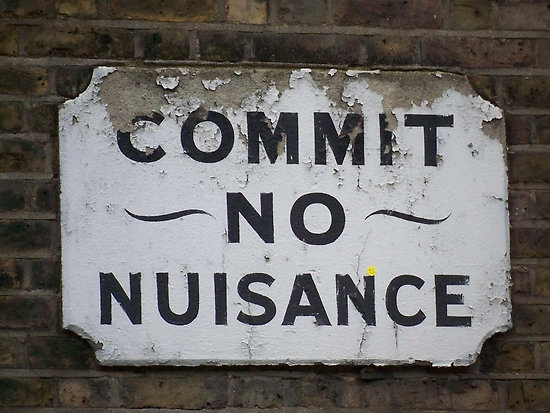
Cincinnati City Council shelved a vote on expanding the city's chronic nuisance law to bars, restaurants and nightclubs on Aug. 5, after Black business owners and the African American Chamber of Commerce objected that the proposal blindsided them. With Council on summer recess until September, the ordinance won't come back for at least five weeks.
The measure would have applied citywide, including along Oakley and Hyde Park commercial corridors. Any bar, restaurant or nightclub repeatedly linked to violent crime, drug activity or disorderly conduct calls could be flagged, entered into the chronic nuisance program and fined $1,250, with additional penalties for continued noncompliance.
As we reported Aug. 3, the Public Safety and Quality of Life Committee unanimously advanced the emergency ordinance that day, with a full Council vote set for Aug. 5.
What happened Aug. 5
Business owners packed the Council session to testify against the timeline. One owner told Council that 26 Black-owned restaurants and bars have closed in Cincinnati over the past two years.
"You have not given the public, businesses, or property owners enough notification," another business owner said.
Gregory Parker, director of membership services with the African American Chamber of Commerce, told WCPO the proposal caught members off guard.
"It just came out of nowhere!" Parker said. He added that bar owners in the Chamber raised concerns rooted in "historical issues" of being targeted by city enforcement.
Council pulled the vote. No new date was set.
What the ordinance would do
Councilmember Seth Walsh sponsored the legislation after a November 2025 shooting in Over-the-Rhine that wounded four people and a March 2026 mass shooting that injured nine at an East End venue. The city's existing chronic nuisance law covers only multi-family residential properties; Walsh's bill, filed Aug. 3 as an emergency ordinance, would add commercial premises for the first time.
Only bars, restaurants and nightclubs are included. Gas stations, convenience stores, retail and office space are not. Quality of Life Attorney Mark Manning told WVXU on Aug. 3 that enforcement capacity was the sole factor in drawing that line.
Walsh told WCPO the legislation aims to intervene before problems escalate: "The focus of this legislation is trying to be able to work with businesses very early in the process, because right now by the time businesses are ending up on the news, it's for really bad reasons."
What's next
Council returns from recess in September, though no specific date has been confirmed. Residents and business owners who want to weigh in can contact Councilmember Walsh's office or attend the next Public Safety and Quality of Life Committee meeting once the fall schedule is posted.