Six rabies-positive bats were identified in Hamilton County as of Sept. 24. The Cincinnati Health Department wants residents to know what to do if one gets inside their home.
The department issued a public advisory that day, timed to World Rabies Day on Sept. 28. The message: a bat outside is usually harmless, but a bat found indoors is a potential rabies exposure that requires action.
Every animal that tested positive for rabies in Hamilton County between 2019 and 2023 was a bat, including six cases within Cincinnati city limits, according to the advisory. Statewide, all 53 rabies-positive animals identified in Ohio in 2026 have been bats.
Residents in Hyde Park, Oakley and Mount Lookout live in neighborhoods with the kind of older homes the department described. Southwestern Ohio has a high percentage of older structures with small cracks and crevices bats can squeeze through while seeking warmth, the advisory said.
"Bats are wonderful for our environment, and some people see past their fictional descriptions and think they're pretty cute … But it's not so cute when you find them in your home," said Kim Wright, supervising epidemiologist with the department's Communicable Disease Prevention and Control Unit.
Why indoor bats are different
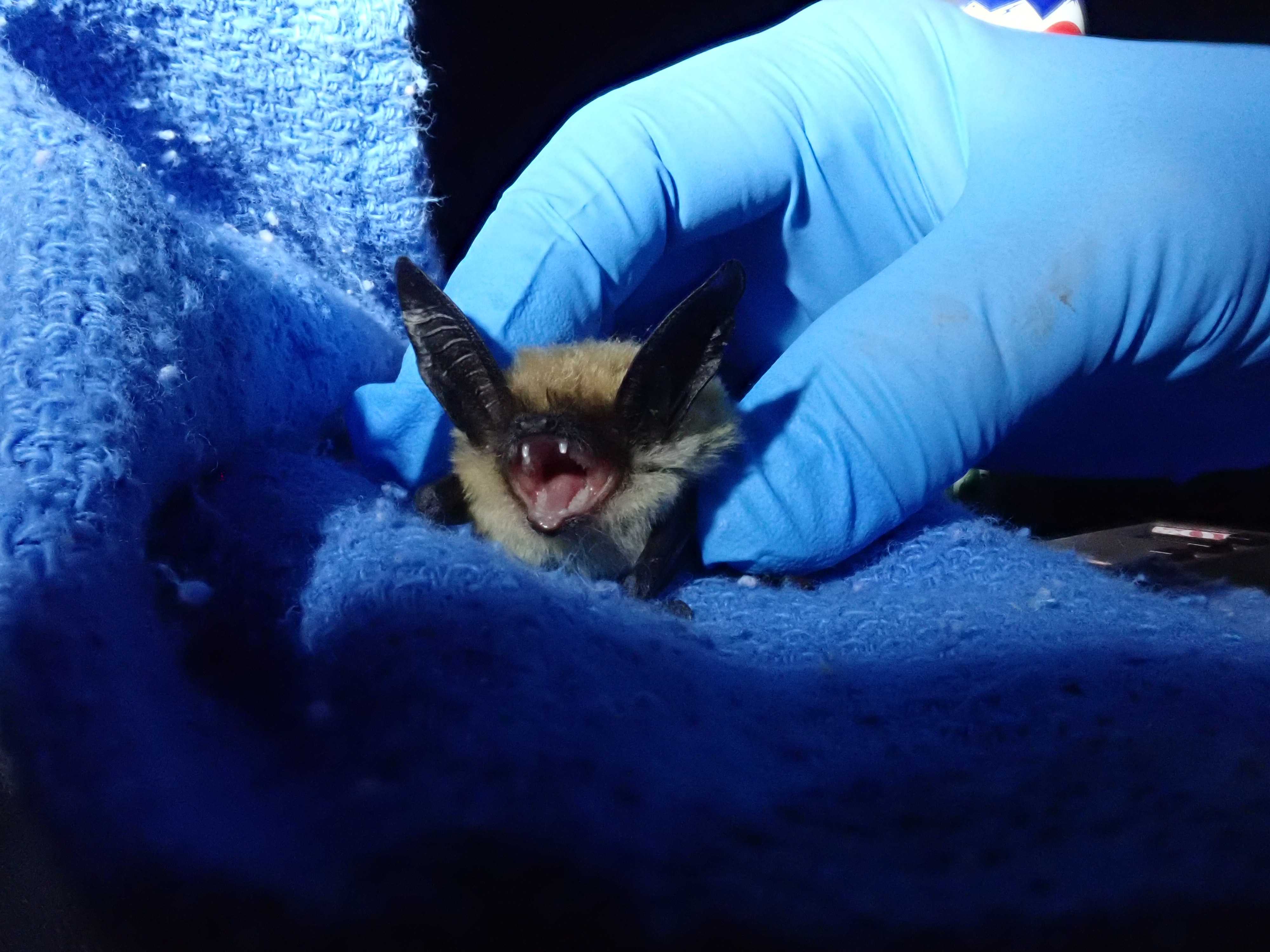
Bat teeth are tiny. A person can be bitten or scratched without realizing it, the department said. Any direct contact with a bat counts as a potential rabies exposure.
"Direct contact" includes a bat landing on someone, flying into them, getting tangled in clothing or hair, or any situation where a bite or scratch cannot be ruled out. It also includes finding a bat in a room where someone was sleeping, a young child or person with a cognitive impairment was present, or someone who can't reliably describe what happened.
At least 70% of U.S. rabies deaths have been linked to bats, according to the advisory. Rabies is almost always fatal once symptoms appear. Post-exposure treatment, given promptly, is effective.
What to do
The department outlined clear steps for residents who find a bat indoors:
- Do not touch it with bare hands.
- Keep children and pets away.
- If possible, isolate the bat in the room where it was found.
- Do not release the bat if anyone or any pet may have been exposed until you have spoken with public health officials..
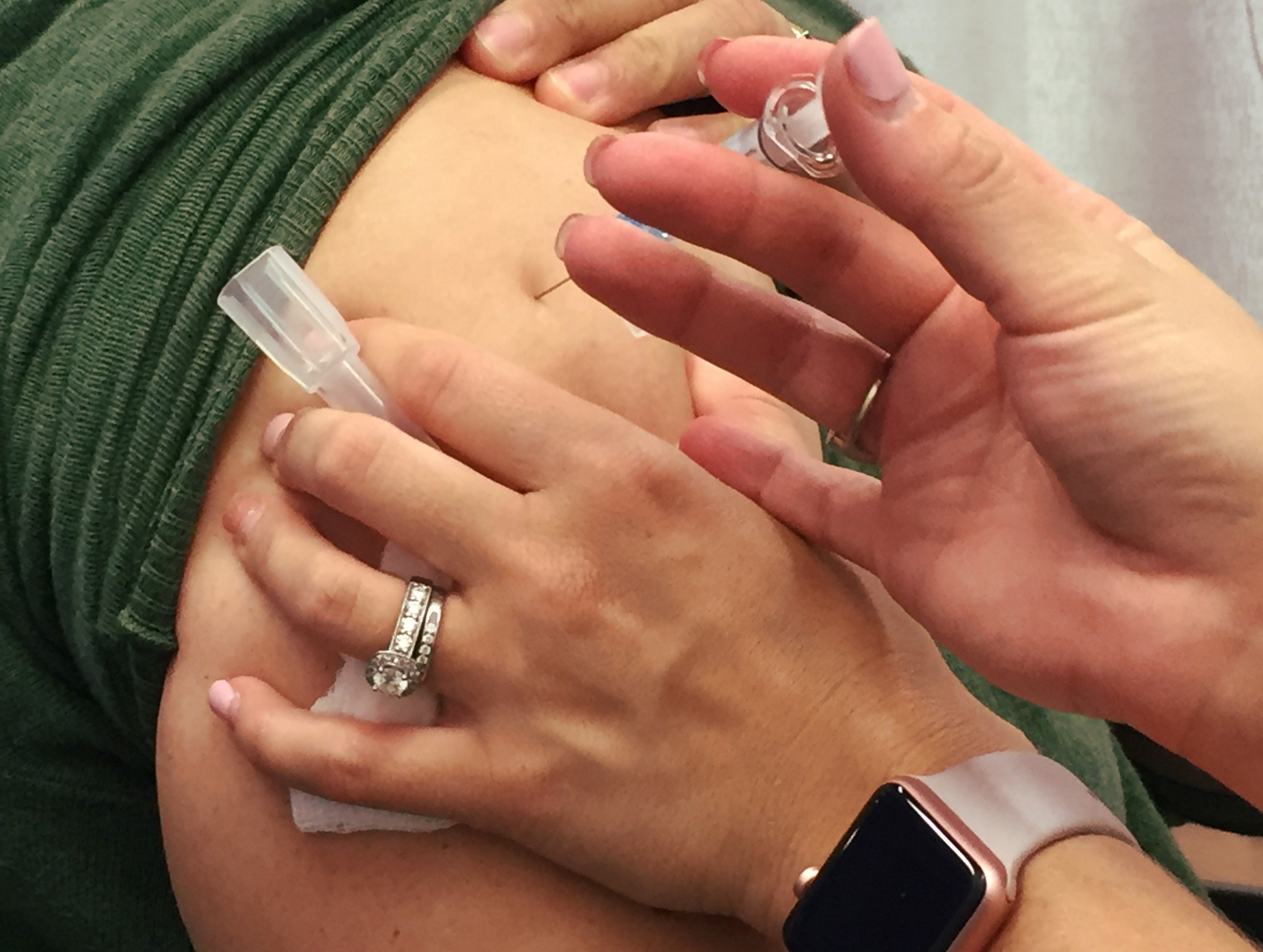
- Seek medical advice immediately if direct contact may have occurred.
- Call the department's Rabies Prevention and Control Program at (513) 352-2922.
For exposure assessment and public health guidance, residents or clinicians can call (513) 357-7462. An after-hours line is available at (877) 774-4636.
The same precautions apply when a pet catches a bat or has a bat exposure, the department said.
CDC flags national increase
The advisory followed a health alert issued Sept. 10 by the Centers for Disease Control and Prevention (CDC). The CDC reported 17% more rabies-related inquiries from July through August 2026 compared with the same period in 2025. As of early September, rabies vaccine use had risen an estimated 33%, and immunoglobulin use had jumped 76%.
A typical course of post-exposure prophylaxis, or PEP, can cost between $11,000 and $14,000 per person, according to the CDC notice.
Experts estimate fewer than 1% of wild bats carry rabies. But bats submitted for testing are more likely to be positive because they may be sick, injured or behaving abnormally, the department noted.
Ohio's last human rabies case was in 1970, according to the Ohio Department of Health.