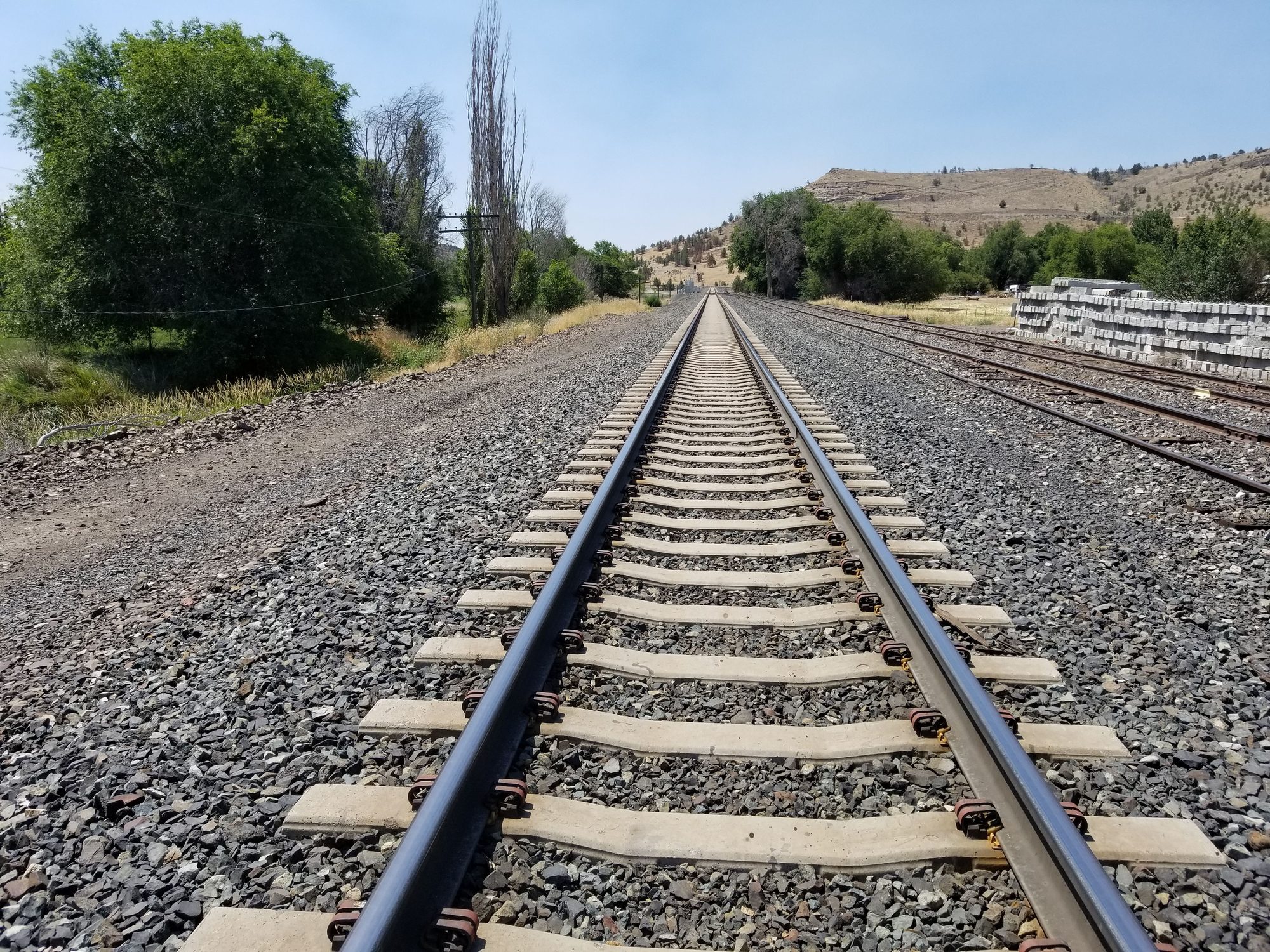
Cincinnati is looking at how to give its 88 neighborhoods more say in where the city invests, as council members press departments to spend $72.1 million in railroad sale money.
City planners presented to the Equitable Growth & Housing Committee on Tuesday, Sept. 29, outlining efforts to collect feedback on where the city should invest, Fox 19 reported. Council members pushed city departments to move faster on spending the funds, which come from the Cincinnati Southern Railway Trust.
The trust was created after the city sold the Cincinnati Southern Railway to Norfolk Southern for $1.6 billion. As of a Sept. 14 WKRC report, the trust fund had grown to $1.9 billion. The city had received $143.2 million total but spent only about $25.4 million, with streets and bridges accounting for 77% of that spending.
The spending gap is striking.
Senior city planner Maria Dienger told the committee that gathering neighborhood input has been difficult. "Some of the challenges we frequently heard was turnover is an issue, low turn out, distrust and mixed messages on what their expectations were," Dienger said.
Council Member Meeka Owens proposed cycling a group of neighborhoods through the process each year so all communities get a fair shot at improvements.
Council Member Mark Jeffreys pressed departments to pick up the pace. He said voters approved the railroad sale three years ago and expect to see results in roads, parks, recreation centers and health centers. If one department cannot find a way to spend the money, Jeffreys warned, another department will.
Jeffreys has also pushed specifically for more road paving. He filed a motion on Sept. 16 asking the administration to report within 30 days on the cost of paving 120 lane miles per year, up from the 70 currently planned. The city paved 50 lane miles the prior year. The motion was referred to the Budget, Finance and Governance Committee.
In a Sept. 14 interview with WKRC, Jeffreys said the Smale Commission had recommended 100 lane miles per year. Mayor Aftab Pureval acknowledged the city had been slow to spend railroad trust money in the first two years. Pureval said the cost per lane mile dropped to $250,000 this fiscal year from $650,000 the prior year, and that the trust board has expressed interest in prioritizing road paving.
No specific timeline or public comment deadline for the neighborhood input process has been announced. Residents can track railroad trust spending through the city's Cincy On Track project tracker.