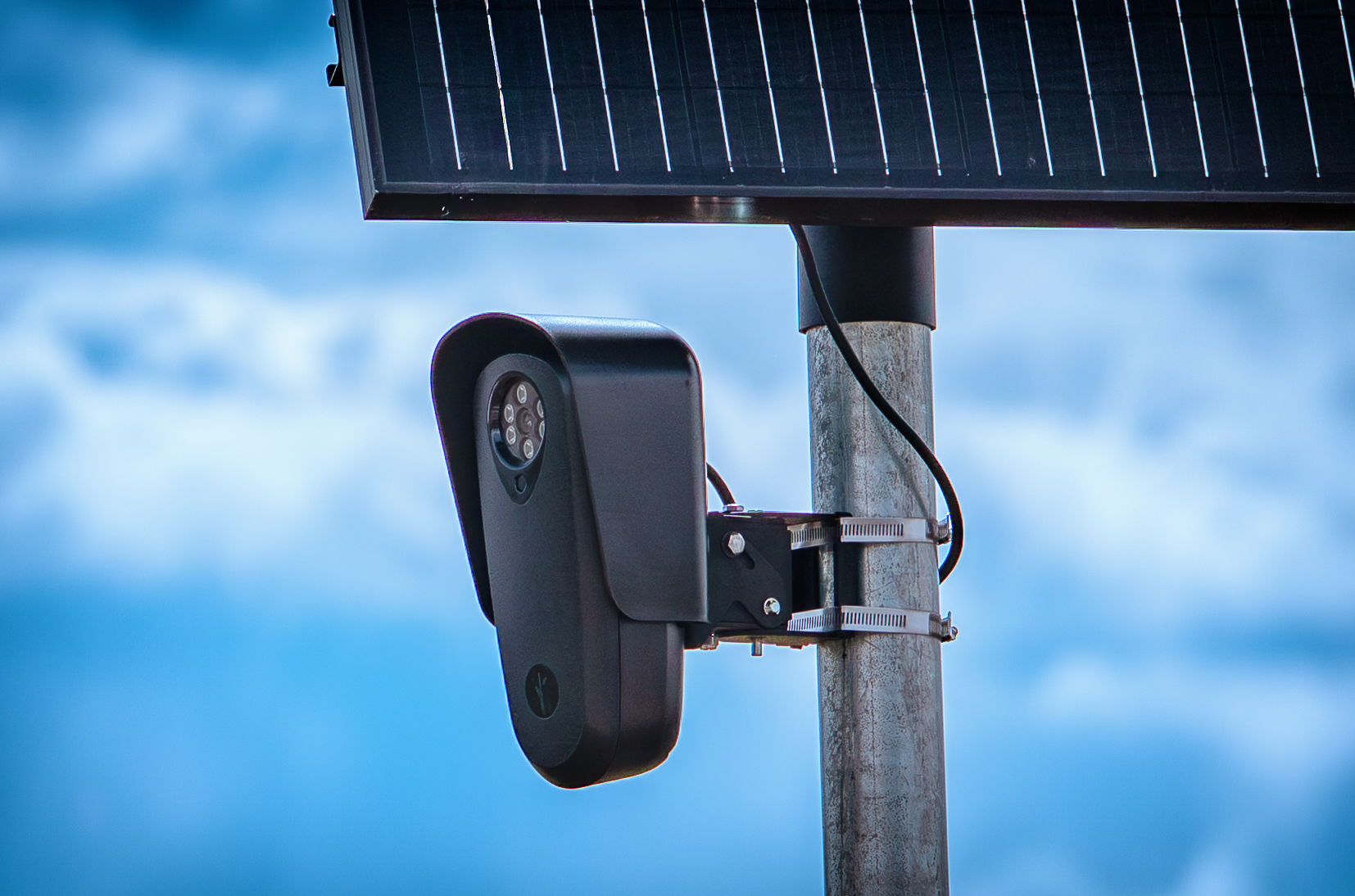
More than 1,000 Flock Safety license plate cameras now blanket the Cincinnati metro area, recording the movements of vehicles across dozens of neighborhoods, according to a Cincinnati Enquirer investigation published Aug. 22.
The cameras photograph every passing vehicle and log its license plate, make, model, color and location into a searchable cloud database. Flock Safety, the Atlanta-based company behind the technology, says the data is automatically deleted after 30 days by default. On Aug. 13, Flock announced it would reduce its recommended default to seven days, though existing customers keep their current retention periods and critics say the new guardrails have significant loopholes.
The company operates more than 120,000 cameras across 49 states, scanning 20 billion plates per month.
Ohio has no law specifically governing how police use the cameras.
"There's really nothing out there in Ohio law or local laws that prevent governments from turning this type of surveillance on ourselves and surveilling our whereabouts," Gary Daniels, legislative director for the ACLU of Ohio, told WOSU Public Media on April 28. "It's quite literally the Wild West out here in Ohio."
A first-of-its-kind scorecard from the Policing Project at NYU School of Law found Ohio is among 26 states with no ALPR-specific legislation at all.
Documented misuse in Ohio
The lack of guardrails has already led to abuse. In Highland Heights, a police dispatcher resigned in August after conducting 20,292 unauthorized Flock searches between October 2024 and November 2025, according to Cleveland 19. The department implemented mandatory monthly audits starting Aug. 22.
In Dayton, the city suspended its 72 Flock cameras in May after an internal review found more than 7,000 immigration-related searches had been made by outside agencies. City officials called the searches "egregious violations" of city policy. When the Dayton Daily News requested audit logs under Ohio's public records law, police denied the request, claiming the records are exempt.
A class action lawsuit filed in San Francisco in February alleges federal agencies, including ICE, the FBI and the ATF, queried that city's Flock cameras more than 1.6 million times over seven months.
Local pushback grows
Oxford became the first Ohio city to vote to end its Flock program on Aug. 20, with council voting 6-1 to terminate the contract for its 14 cameras, WLWT reported. Three Northern Kentucky communities have also dropped Flock: Fort Mitchell, Newport and Erlanger.
No Cincinnati-area city in Ohio has canceled its contract.
State Sen. Al Cutrona, R-Canfield, announced plans in August to introduce legislation that would require police to delete Flock data after 10 days, ban sharing with third parties and make personal misuse a fourth-degree felony. The bill had not been formally introduced as of Aug. 17.
What residents can do
Flock says its cameras do not use facial recognition. But the system's national-lookup feature allows any participating agency anywhere in the country to query a local city's camera data.
Residents can check whether their plate has been searched by visiting HaveIBeenFlocked.com, which compiles publicly released audit logs. A result means someone searched for that plate, not simply that a camera photographed the vehicle. The site DeFlock.org maps known camera locations nationwide. The ACLU recommends searching city council agendas and police purchasing records for "Flock Safety" or "automated license plate reader" to learn whether a local agency uses the cameras.
The Cincinnati Police Department has not publicly disclosed how many Flock cameras operate in District 2, which covers Hyde Park, Oakley and Mount Lookout, or what data-sharing agreements are in place.