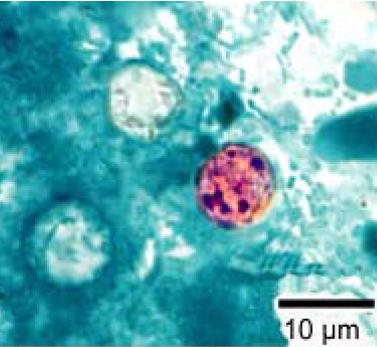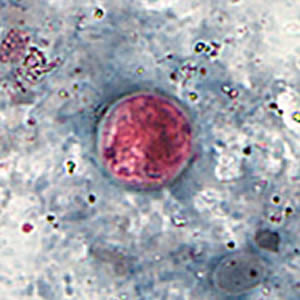
Hamilton County's cyclospora case count climbed to 23 as of the Ohio Department of Health's dashboard update July 24, with the statewide total doubling in a single week to 2,650 confirmed infections.
The jump prompted the CDC to deploy disease investigators to Ohio for roughly three weeks. The Ohio Department of Health requested the federal help through an Epi-Aid, a program that sends Epidemic Intelligence Service officers to assist state health departments during active outbreaks.
An ODH spokesperson told WLWT that the investigators will interview Ohioans who tested positive, collect exposure histories, identify case clusters, and coordinate with federal teams tracing the multi-state outbreak.
Ohio has the second-highest case count in the country, behind Michigan, according to the ODH update. Nationally, the CDC reported 4,173 lab-confirmed cyclosporiasis cases between May 1 and July 20, with more than 7,400 additional suspected cases not yet lab-confirmed. There have been 308 hospitalizations and no deaths.
What's recalled
The FDA and CDC continue to point to iceberg lettuce from Taylor Farms de Mexico as the outbreak's source. Taylor Farms issued a voluntary recall on July 17 covering products shipped to 27 states with "best by" dates as late as August 3.
Taco Bell removed all Taylor Farms lettuce from restaurants in Indiana, Kentucky, Michigan, Ohio, and West Virginia after the CDC linked the outbreak to shredded iceberg lettuce served at those locations. Walmart also pulled select Marketside iceberg lettuce bags distributed by Taylor Farms, and Sysco halted distribution of all Taylor Farms iceberg lettuce sourced from Mexico.
Taylor Farms said it is "no longer sourcing iceberg lettuce grown in central Mexico for the remainder of the growing season."
The FDA's recommendation remains: do not eat iceberg lettuce grown or processed by Taylor Farms in Mexico. Consumers who purchased recalled products should discard them. Full refunds are available at the point of purchase, and Taylor Farms' customer care line is 855-455-0098, Monday through Friday, 8 a.m. to 5 p.m. PT.
Symptoms and testing
Cyclosporiasis symptoms appear two to 14 days after exposure and can last weeks or longer without treatment. The hallmark is frequent, watery diarrhea. Other symptoms include fatigue, bloating, loss of appetite, and weight loss.
The infection is not spread person to person. It is contracted by consuming contaminated food or water.
One important note for residents: cyclospora is not included in standard stool tests. Patients who suspect infection must specifically ask their doctor to order a cyclospora test, and multiple samples over several days may be needed.
Treatment is a seven-day course of the antibiotic trimethoprim-sulfamethoxazole, sold as Bactrim or Septra.
What's next
The ODH dashboard updates each Thursday afternoon. The next scheduled update is July 30. Residents who develop prolonged diarrhea or other symptoms should contact their healthcare provider and request a cyclospora-specific test.