Hamilton County has confirmed more than a dozen cases of cyclosporiasis, and health officials report a "statistically significant increase" in people seeking emergency care for gastrointestinal illness, according to Dr. Stephen Feagins, medical director of Hamilton County Public Health, speaking on WVXU's Cincinnati Edition on Wednesday, July 23.
More than 40 people countywide have sought treatment for diarrheal illness, vomiting, abdominal pain, and related symptoms, Hamilton County Public Health reported on July 14.
The local cases are part of a much larger crisis. Ohio has reported more than 1,200 cases statewide, with over 40 hospitalizations and no deaths. The CDC declared a multistate outbreak across five states: Ohio, Indiana, Kentucky, Michigan, and West Virginia.
What it is and why it matters
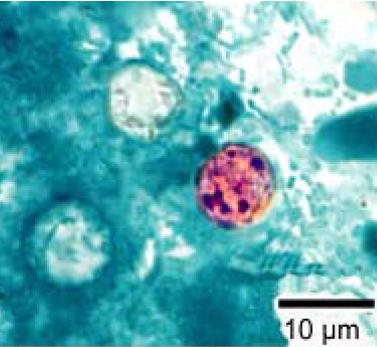
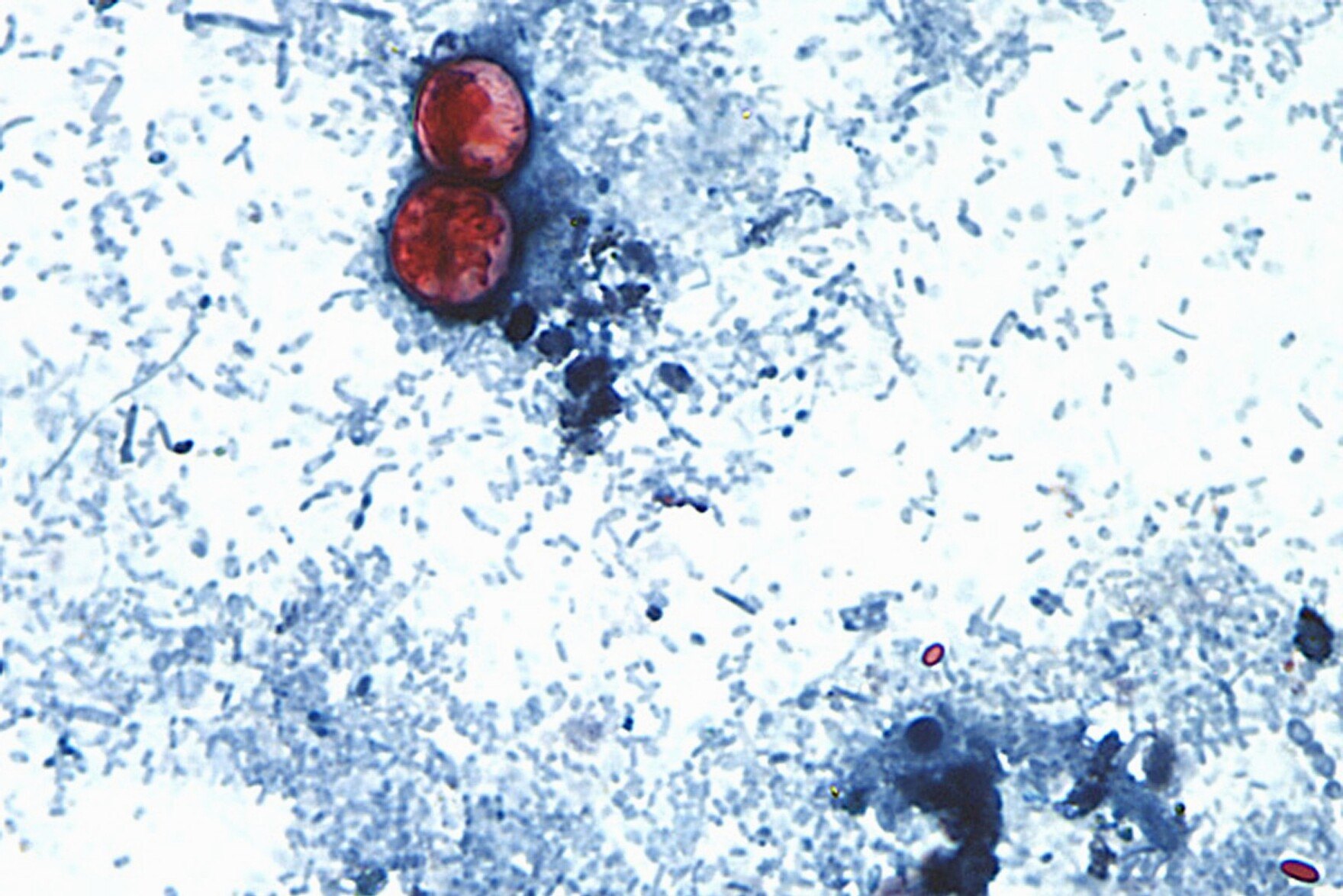
Cyclosporiasis is caused by a microscopic parasite called Cyclospora cayetanensis, spread through contaminated food or water. It does not pass from person to person.
Symptoms include watery diarrhea, loss of appetite, weight loss, cramping, bloating, nausea, and fatigue. They typically appear about a week after infection but can take up to two weeks. Without treatment, symptoms can last a month or longer and may come and go.
"This is not a 'wait it out' illness," Steven Goldberg, chief medical officer of HealthTrack, told Axios Columbus on July 17. The infection is highly treatable with antibiotics, but delaying care can lead to dehydration and complications, according to the Ohio Department of Health.
One critical detail: routine stool tests do not screen for Cyclospora. Residents who suspect infection should ask their healthcare provider to order a specific test for the parasite, according to the CDC.
The lettuce recall
On July 17, Taylor Farms de Mexico voluntarily recalled all iceberg lettuce sourced from central Mexico after epidemiological evidence linked the outbreak to shredded iceberg lettuce. No positive lab sample from the product has been confirmed, and the investigation is ongoing.
The CDC advises residents to throw away any recalled Taylor Farms iceberg lettuce or return it to the store, and to wash surfaces that may have touched it with hot soapy water.
Past outbreaks have also been linked to basil, cilantro, leafy greens, snow peas, and raspberries, according to the FDA.
How to protect yourself
Hamilton County Public Health recommends these steps:
- Wash hands with soap and water before and after preparing raw fruits and vegetables.
- Wash all produce thoroughly under running water.
- Scrub firm produce like melons with a clean brush.
- Refrigerate cut, peeled, or cooked fruits and vegetables promptly.
- Cook produce to at least 158 degrees Fahrenheit to kill the parasite. Standard chlorine disinfection does not eliminate it.
By the numbers
The CDC confirmed 4,173 cases nationwide between May 1 and July 20, with 308 hospitalizations and zero deaths. An additional 7,400-plus cases are still being investigated. The 2026 season has already surpassed total U.S. cases for all of 2025, according to Axios.
Hamilton County's most recent detailed count, reported July 16, stood at 17 total cases: 12 confirmed, one probable, and four suspected.
The Ohio Department of Health dashboard updates each Thursday afternoon. Residents with symptoms should contact their doctor and request specific Cyclospora testing rather than relying on standard stool panels.