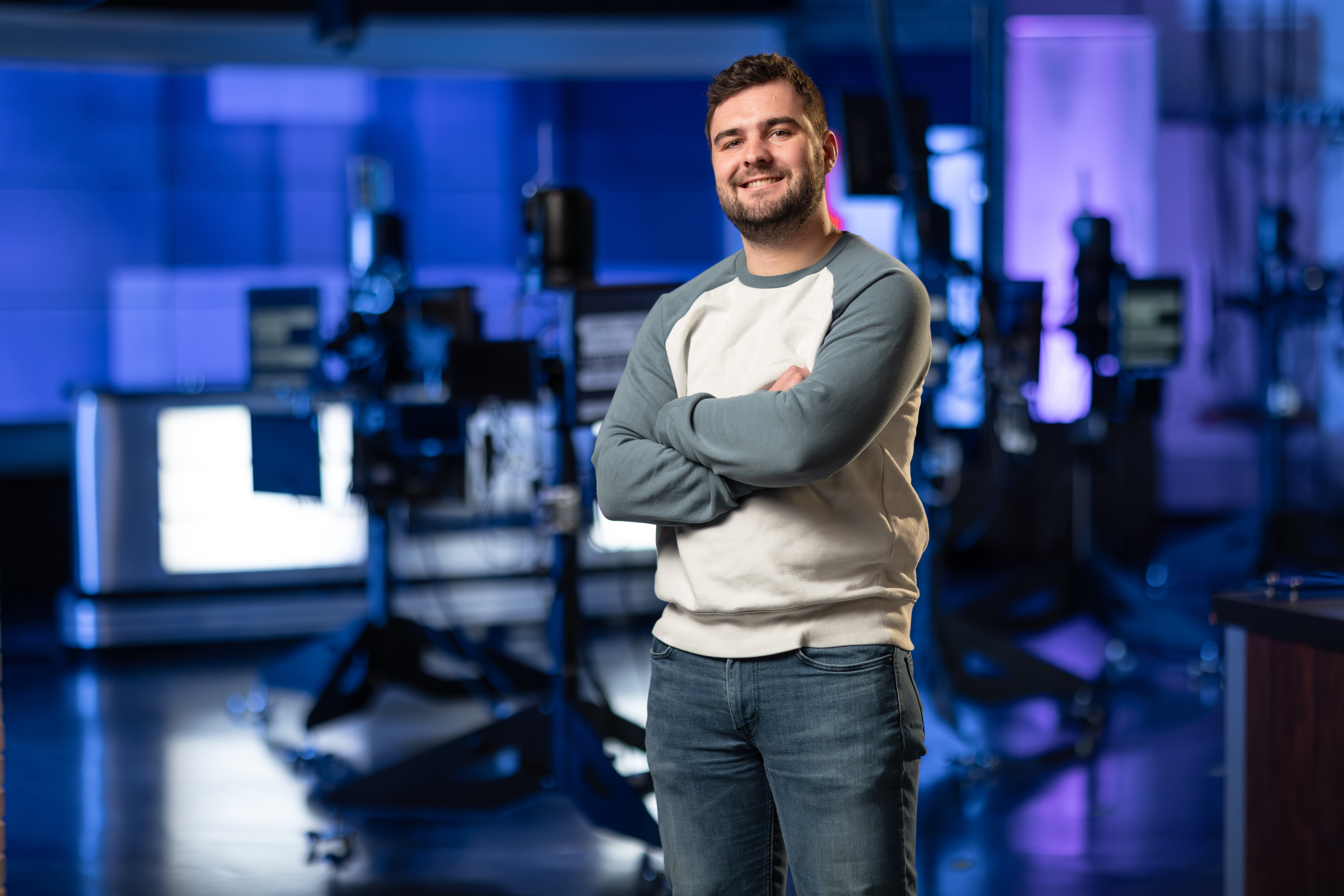
A Clark Montessori High School graduate told educators and district leaders on Saturday, June 13 that getting students outside keeps them in school and closes learning gaps.
Madz Gerker, an incoming environmental engineering student at the University of Cincinnati beginning fall 2026, delivered the student keynote at the first Green & Healthy Schools Symposium, held at Rockdale Academy & Learning Garden. Gerker argued that outdoor learning improves motivation, boosts academic performance, reduces dropout rates, and helps students build lasting connections with the natural world.
"Since we know that this nice climate might be gone one day, it would be good to get outside and do these things while we can," Gerker said during the June 13 address, according to a reflection published by Green Umbrella on Tuesday, July 28.
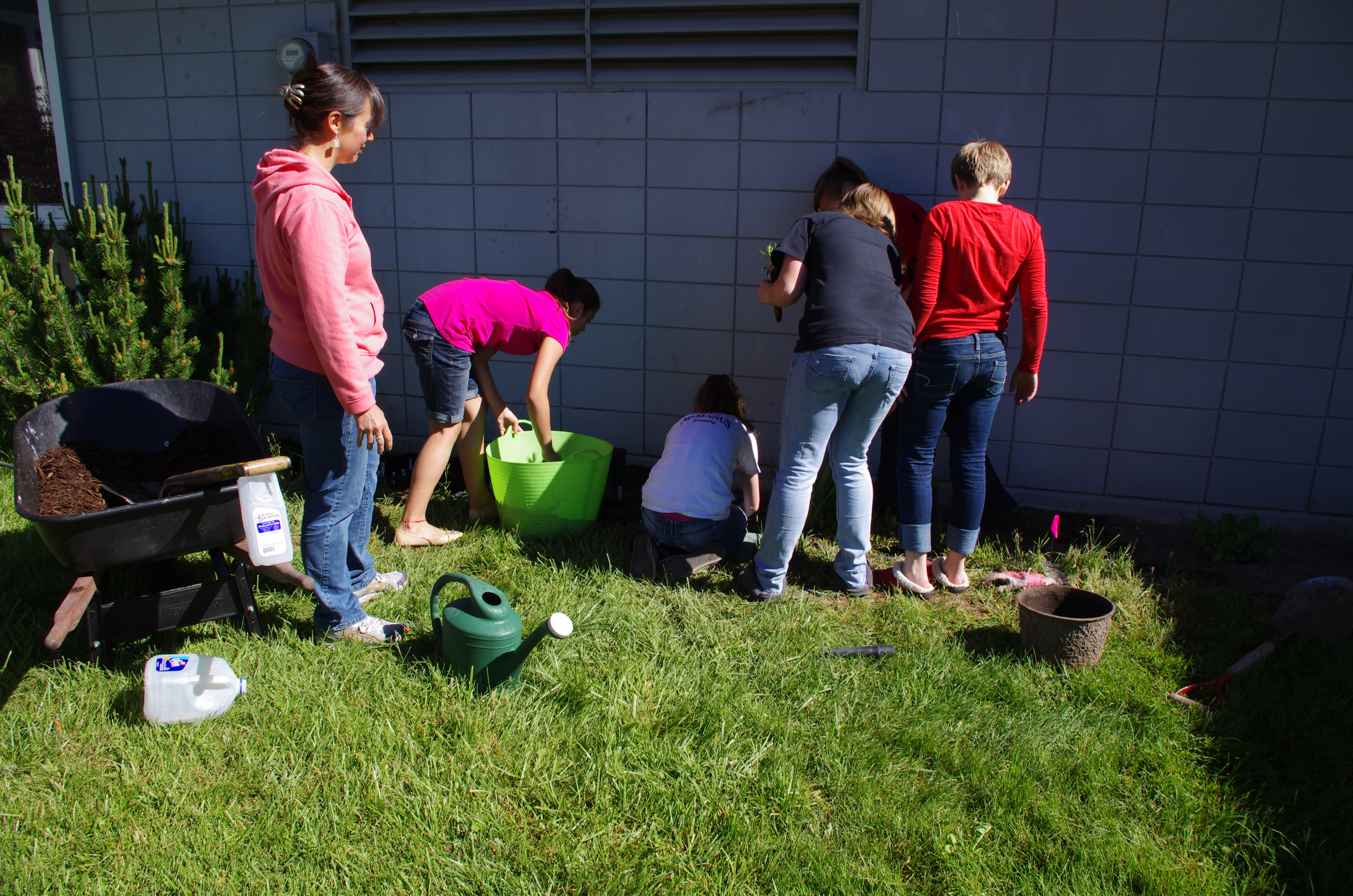
Clark Montessori, a grades 7–12 school with 714 students, already weaves outdoor education into its curriculum. Students at the symposium handed out homemade pickles they had grown and preserved, according to a separate Green Umbrella recap of Cincinnati Climate Week.
CPS officials outline green career gaps
Michael Turner, CPS director of career and technical education, and Kayla Lowe, also of Cincinnati Public Schools, presented a session on green career pathways at the symposium. They highlighted that CPS already offers programs in agriculture, environmental systems, animal science, horticulture, engineering, construction, STEM, and work-based learning.
The gap, they said, is connecting those programs into a coherent K–12 pipeline that introduces green careers in elementary school and carries students through graduation. Right now, the pathways exist in pockets but aren't linked across grade levels.
Turner and Lowe emphasized that outside partnerships are the key accelerator: community organizations and industry partners help students explore and pursue green careers through real-world learning opportunities that schools alone can't provide.
What this means for east-side families
For families at Clark Montessori and other east-side CPS schools, the district's green career programs already exist but remain fragmented. No specific timeline or policy vote has been announced to formalize the K–12 pipeline Turner and Lowe described.
Separately, researcher Brenda Kessler presented evidence at the symposium that access to nature supports cognitive development, reduces stress and anxiety, and enhances attention, particularly for children with ADHD.
The broader CPS green infrastructure is growing. As of 2025, 60 of the district's 66 schools have green space, including 20 new green schoolyards, according to the Green Schoolyards Action Network. In 2024, the network connected 50 schools to outdoor activities and engaged 10,989 students in nature-based learning.
Clark Montessori's open house for the 2026–27 school year is scheduled for Thursday, August 13, from 4 to 6 p.m.