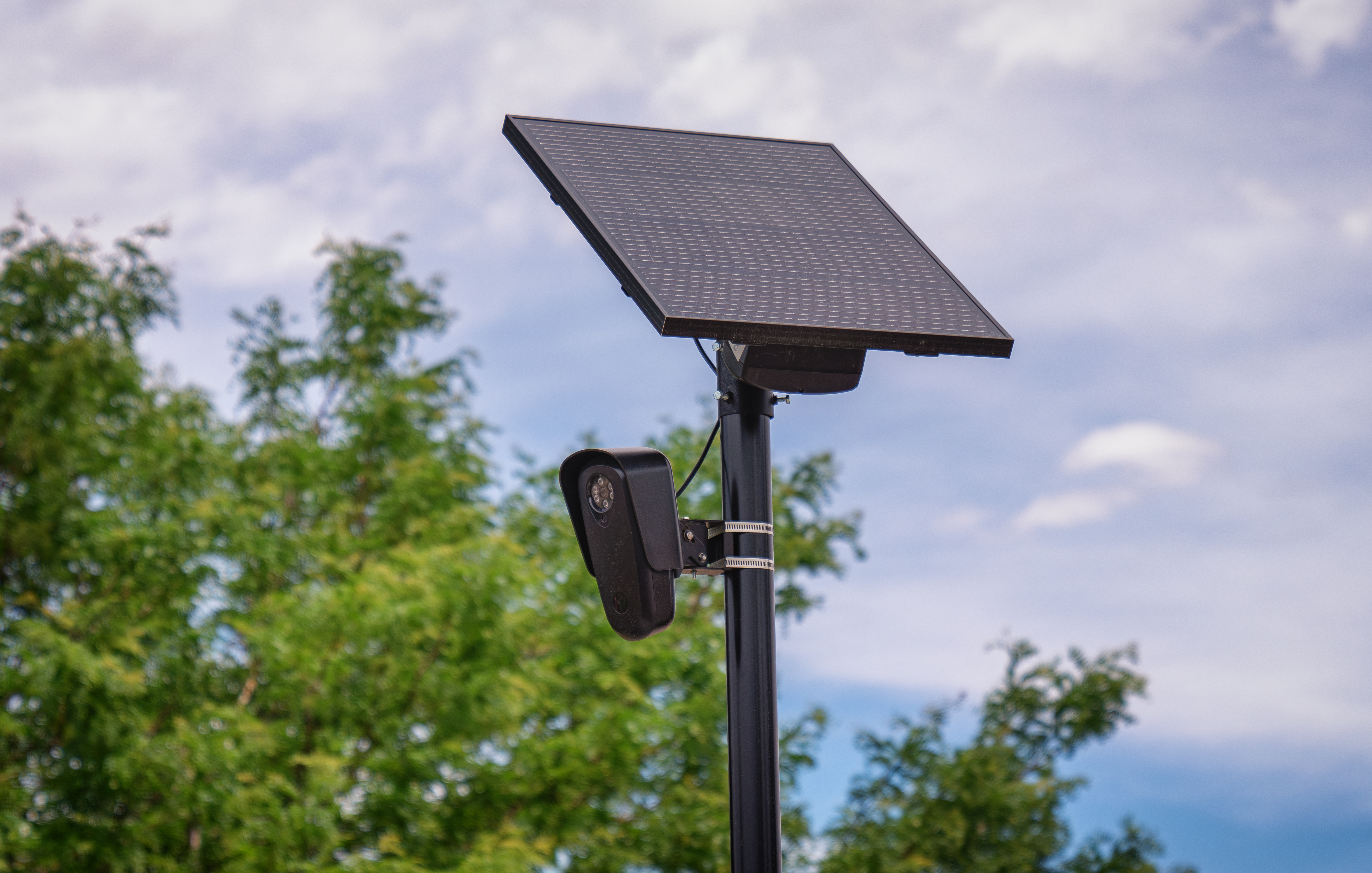
Cincinnati City Council on Sept. 10 directed the city administration to report within 30 days on how it uses license plate readers, cameras and drones, and to draft an ordinance limiting data storage and sharing.
Council member Anna Albi introduced the motion in response to growing backlash against Flock Safety's automated license plate reader cameras. Albi said Cincinnati police do not contract with Flock and operate a closed system only Cincinnati PD can access, according to WCPO. Cincinnati police were testing license plate readers from four vendors, including Flock, as of Sept. 3, with no timetable for a contract decision.
The council action came after Hamilton County Sheriff Charmaine McGuffey shut down all 75 Flock cameras across the county and its townships on Sept. 3, halting a surveillance network that had been expanding since 2022.
McGuffey said no deputy in her department misused the system. Her concern is with Flock Safety's data practices.
"The concern is not only how this office uses the system but also who can access the data, how the company collects it, and the permissions it provides for others to use it," McGuffey said at a Sept. 3 news conference. She said she has no timeline for deciding whether to resume the contract.
Anderson Township Trustee Tom Hodges separately called for a pause on the 16 Flock cameras the sheriff's office operates there, saying he was not confident safeguards were in place to protect residents from potential abuse.
The issue has reached the 2026 governor's race. Democratic candidate Amy Acton posted on X on Sept. 8 that Flock cameras "pose serious risks to our privacy and are too easily abused." Acton's campaign spokesperson Virginia Schaus said in a statement to the Cincinnati Enquirer that Acton would support bipartisan legislation banning Flock statewide. That marked a shift: as recently as late August, Acton had stopped short of calling for a ban, saying she would conduct a comprehensive review of law enforcement technology.
Republican Vivek Ramaswamy opposes a ban but says the cameras should never monitor people in private spaces, including homes and cars. His campaign did not respond to detailed policy questions from cleveland.com. Ramaswamy spokesperson Evan Machan attacked Acton's position shift, accusing her of constantly changing positions and running a failed campaign playbook.
Gov. Mike DeWine defended the cameras, telling WKRC that abuse of a tool does not make the tool ineffective. Attorney General Andy Wilson called the cameras invaluable for finding missing people and solving crimes.
Ohio law exempts license plate reader data from public records requests but sets no statewide rules on how long police can keep the data, who can search it, or how its use is audited. State Rep. Levi Dean, a Xenia Republican, announced a bill on Sept. 4 that would require a search warrant before police use the readers.
Lebanon City Council voted Sept. 8 to discontinue all 20 of its Flock cameras after the company failed to answer 54 written questions the city sent on Aug. 17, according to Fox 19. Several Northern Kentucky cities, including Florence, Newport, Erlanger and Independence, have also dropped the technology.
McGuffey has said she wants the cameras back online but only with clear rules governing data sharing. No public hearing or deadline for that decision has been announced.