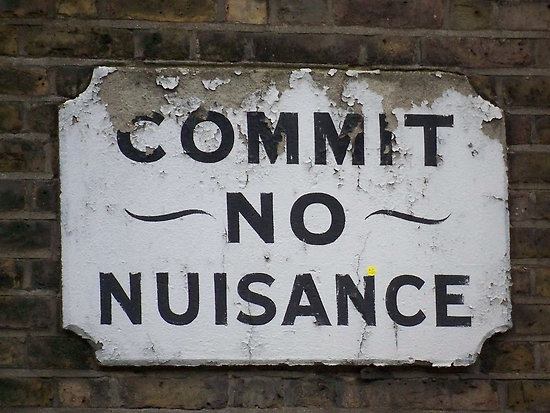
Cincinnati's chronic nuisance law could apply to bars and commercial businesses for the first time after a city council committee unanimously recommended passage of an emergency ordinance on Aug. 3.
The full Cincinnati City Council is scheduled to vote on the measure Aug. 5. If approved, it would take effect immediately.
The ordinance is citywide, meaning it would cover bars and businesses in local commercial districts including Hyde Park Square, Mount Lookout Square, and the Madison Road corridor in Oakley. Under the current law, chronic nuisance rules apply exclusively to multi-family residential properties. The expansion would let the city fine repeat-offender businesses directly rather than going after only property owners.
Councilman Seth Walsh, who championed the legislation, said the proposal grew out of a 2025 shooting outside Privee, an Over-the-Rhine nightclub, in which seven people were shot. Residents had raised complaints about the venue beforehand, but the city's nuisance law offered no mechanism to act against a commercial business.
"The hope is that it's going to allow us to catch these things earlier — before it gets out of hand like it did last year," Walsh told Fox 19 on July 31.
The ordinance, submitted by City Manager Sheryl M. M. Long, creates new Municipal Code sections covering "Commercial premises" and adds protections for victims of domestic violence, dating violence, sexual assault, and stalking. It also shortens the timeline for the city to issue fines.
Businesses that fail to comply would face $1,250 fines, with additional penalties for continued noncompliance, WLWT reported.
The Public Safety & Quality of Life Committee, chaired by Council President Pro Tem Scotty Johnson, advanced the measure unanimously. Johnson said the city wants to be fair to business owners while ensuring they play their role in keeping communities safe. He said the goal is to work collaboratively with owners before escalating enforcement.
Walsh said the program depends on residents calling police when they see problems at nearby businesses. Those calls trigger the nuisance program to activate earlier, flagging an establishment before violence escalates.
The Wednesday vote at full council will determine whether the emergency ordinance becomes law.