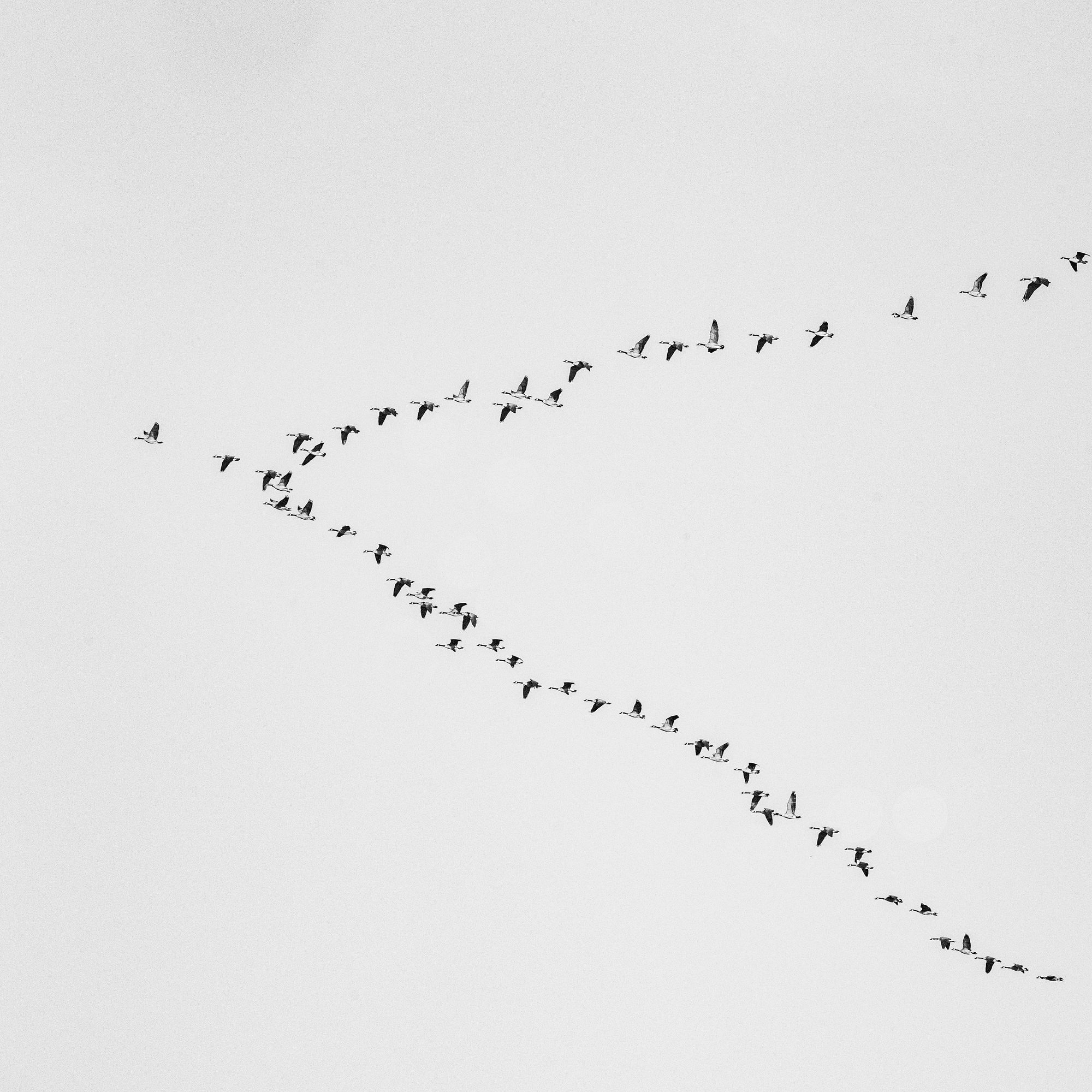
The Cornell Lab of Ornithology's BirdCast forecast 285 million birds flying south through the Ohio River Valley on Sept. 13, the highest-intensity night of the fall migration season so far.
Ault Park in Mount Lookout hosts 145 species of resident and migratory birds, according to Cincinnati Parks. Lights Out Cincinnati, a local group focused on preventing bird window strikes, is urging residents across Hyde Park, Oakley and Mount Lookout to take action as the season stretches from mid-September through mid-November.
Migration continues at lower intensity through Sept. 14 and Sept. 15, the Cincinnati Enquirer reported.
At least 80% of migratory bird species in the U.S. travel at night, according to the Cornell Lab. A calmer atmosphere, guidance from the stars and safety from daytime predators like hawks make darkness the preferred flight window, according to Audubon Magazine.
That nocturnal schedule puts birds on a collision course with lit buildings and windows. A 2024 study published in PLOS ONE found that building collisions kill well over 1 billion birds annually in the United States.
"Even under the best care conditions provided by wildlife rehabilitators, 60 percent of collision victims ultimately died from their injuries," said Ar Kornreich, lead author of the study and a Fordham University researcher, when the findings were published in August 2024.
Research from the Field Museum found that turning off half a building's lights during nocturnal migration reduces collision deaths by up to six times in fall and 11 times in spring.
Lights Out Cincinnati says light pollution and glass are among the greatest dangers birds face during migration. The group recommends five steps residents can take:
- Turn off unnecessary outdoor lights and draw blinds on indoor lights to prevent disorientation.
- Keep cats indoors or on a leash.
- Offer native seeds, fruit and clean water to fuel birds on their journey.
- Plant native trees and shrubs to provide resting and feeding areas.
- Use decals or screens on windows to make glass visible and reduce strikes.
The BirdCast live migration map tracks nocturnal bird movement in near real-time using the U.S. weather surveillance radar network. The fall season runs through mid-November.